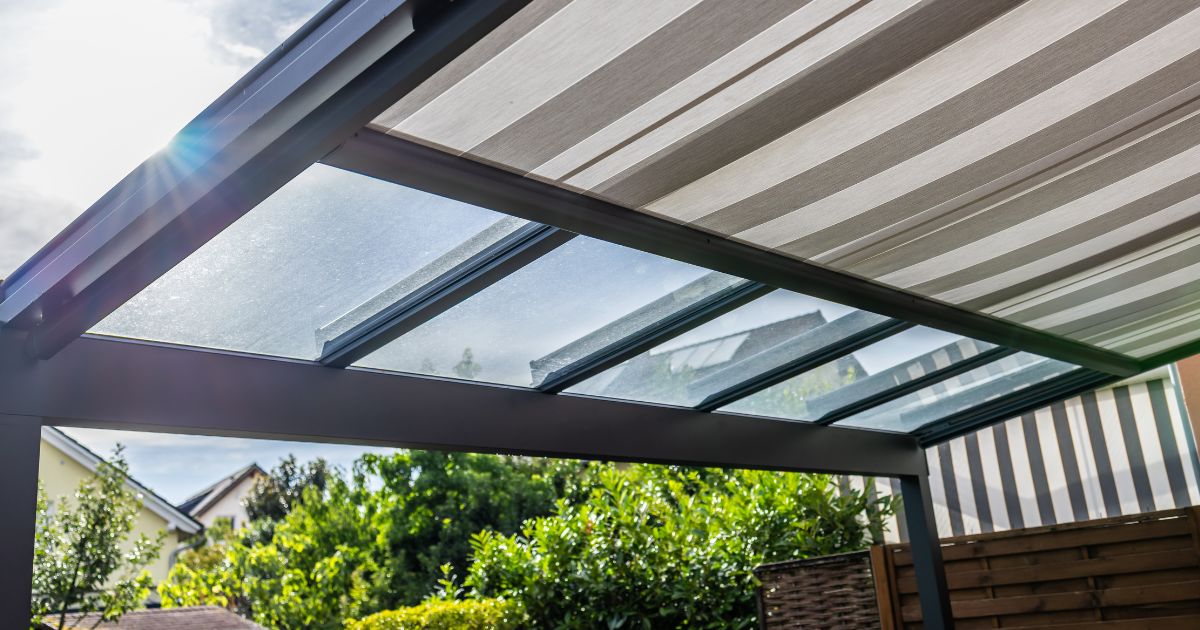
How Much Does It Cost to Install an Awning?
Boise summers are made for the outdoors—until the late-afternoon sun turns your patio into a griddle. Add a windy spring day or a surprise weather swing from the foothills, and you start realizing shade isn’t just a “nice-to-have.” It’s what makes an outdoor space usable.
This guide breaks down what awnings cost in Boise, what drives the price up or down, and how to choose a system that looks great and performs for the long haul.
If you're curious about all Awning Services, click here!
Awning Installation Cost in Boise
In the Boise/Treasure Valley area, most professionally installed awnings cost between $2,500 and $15,000+, with many homeowners landing in the $4,500 to $9,500 range depending on size, mounting conditions, and whether the awning is motorized.
Below are realistic ranges we see for awnings Boise homeowners typically choose:
Cost per linear foot vs. packaged systems (what homeowners should know)
Many awnings are priced as a packaged system (frame + fabric + hardware) and then adjusted for installation complexity. As a rough planning tool in Boise:
Retractable awnings often land around $300–$900 per linear foot installed, depending on projection, motorization, and options.
Fixed canopies vary more widely because design (shape, supports) and mounting conditions can get technical quickly.
If you’re budgeting, the two biggest cost “multipliers” are:
Size/projection (how far it extends)
Mounting and structure (what it’s attaching to and how it must be reinforced)
Boise-specific factors that influence price
Sun exposure and UV
Boise gets strong summer sun and plenty of bright days. Higher-quality, UV-stable fabrics and finishes cost more—but they also look better longer and stay tighter, cleaner, and more colorfast.
Wind and foothills weather swings
Wind is a real design constraint here, especially in exposed backyards and foothills-adjacent neighborhoods. Awnings need proper anchoring, appropriate projections, and (often) wind sensors on motorized systems.
Snow load and shoulder-season use
Retractable awnings are great because you can close them in winter. But if you want spring/fall comfort, you may want upgrades like integrated lighting, screens, or even planning a larger covered structure (more on that later).
What Impacts the Cost of Installing an Awning?
Most homeowners start with “How much?” and quickly realize the better question is: What am I trying to shade—and how do I want it to feel? The right system can look tailored to your home, operate smoothly, and last. The wrong one can sag, struggle in wind, or feel like an afterthought.
Here are the cost drivers that matter most.
Size, projection, and coverage goals
Two dimensions matter:
Width (how much patio/door span you want covered)
Projection (how far out it extends)
A common Boise scenario: a nice backyard with a sliding door and a patio big enough for a table and grill. Shade over the doorway helps, but it won’t make the sitting area comfortable at 6 p.m. in July. That’s why projection often increases—and costs follow.
Practical tip:
Plan shade coverage around how you actually use the space:
Dining table zone
Grill zone
Conversation seating zone
Mounting location and structure (where installs get “real”)
This is where professional installation earns its keep. Attaching an awning to:
Standard framed wall with proper backing is usually straightforward.
Masonry/brick may require specialized anchors and spacing.
Older homes, tricky siding, or uncertain framing can require reinforcement.
Mounting above doors/windows often looks best, but may intersect with trim, soffits, or gutters.
In many cases, the awning itself isn’t the hard part—the structure you’re attaching to is. Our job is to make sure it’s safe, clean, and built to last.
Fabric vs. metal vs. polycarbonate: material performance in the Treasure Valley
High-performance fabric (most retractables)
Pros: refined look, flexible, great heat reduction, retracts for winter
Cons: eventually needs replacement, can collect dust/pollen, needs occasional cleaning
Boise note: choose fabrics designed for UV resistance and long-term color stability
Metal awnings/canopies
Pros: very durable, architectural, long lifespan
Cons: fixed (always there), can feel heavier visually, may require posts/supports
Boise note: great for entries and consistent protection from sun and weather
Polycarbonate panels (often in canopy/pergola-style solutions)
Pros: light transmission while reducing harsh sun, modern look
Cons: can scratch, quality varies; some yellow over time if not premium
Boise note: helpful when you want brightness without full exposure
Manual vs. motorized systems (and why many Boise homeowners upgrade)
Manual retractables work fine, but here’s what we see: if it takes effort, people use it less. Motorization increases comfort and consistency, especially in Boise where sun intensity changes fast throughout the day.
Motorized upgrades typically add:
The motor and controls
Electrical work (sometimes simple, sometimes not)
Optional sensors (highly recommended for wind exposure)
Wind sensors, sun sensors, heaters, lighting, and integrated controls
These upgrades can turn a basic shade add-on into a true outdoor living system:
Wind sensors: protect the awning automatically
Sun sensors: extend shade when the patio heats up
Integrated LED lighting: makes evenings feel finished, not temporary
Heaters: extend spring/fall use (often better paired with a porch/pergola plan)
Electrical needs and why “simple” installs aren’t always simple
If the awning is motorized, you need power. Sometimes that’s a nearby outlet and a clean run. Sometimes it’s:
a more complex path through finished walls
a dedicated circuit
coordination with exterior lighting or a future outdoor kitchen
A good installer plans for today’s needs and tomorrow’s upgrades—especially if you’re also considering custom decks Boise homeowners often combine with shade, lighting, and rail details.
Awning Types and Price Ranges (Pros, Cons, and Best Uses)
If you want shade that feels intentional, the system should match the home’s architecture and how you live outside. Here’s how the main options compare.
Boise Climate and Code Considerations You Should Plan For
Awnings are simple in concept, but Boise conditions reward smart planning.
Wind: why anchoring and engineering matter in Boise and the foothills
A retractable awning acts like a sail. That doesn’t mean you can’t have one—it means it should be specified correctly and installed into proper structure.
What we look at:
Exposure (open backyards vs. protected courtyards)
Mounting height and projection
Whether a wind sensor should be standard, not optional
If your home sits in a wind corridor or higher exposure area, we’ll steer you toward the right system—or suggest a pergola/porch approach that holds up better.
Snow load and shoulder seasons: extending use without headaches
One advantage of retractable awnings: you can close them for winter and storms. If you want spring/fall use, think beyond just shade:
Add lighting for early sunsets
Consider screens for wind
Evaluate whether a covered porch is the better long-term structure
UV exposure: fabric ratings, fade resistance, and heat management
Boise sun is intense. Fabric quality matters. The difference between “fine for now” and “still looks great in five years” is often:
UV stability and colorfastness
Proper tension and frame stiffness
Smart orientation and projection
Permits, HOA guidelines, and property lines in Boise-area neighborhoods
Some awning installs are straightforward; others trigger HOA review or permitting, especially if you’re adding posts, structural framing, or changing the exterior appearance significantly.
We help you plan for:
HOA design guidelines (colors, visibility, placement)
Permit needs for larger structures (more common with porch/pergola builds)
Clearance near property lines and egress points
Installation Timeline: What to Expect From Design to Final Walkthrough
Awnings aren’t a months-long remodel, but the best results still follow a process.
Site measure, design, and product selection
We start with:
Sun path and shade goals
Mounting evaluation (structure + aesthetics)
Fabric/material options that fit your home’s style
Ordering and lead times (seasonal planning tips)
Lead times can stretch in peak season (spring into early summer). If you want it ready for warm weather, planning early pays off.
Practical tip:
If you’re already talking to a porch builder Boise homeowners trust—or planning a deck refresh—combine the projects so the shade solution is integrated, not added later.
Installation day(s): what’s typical and what slows it down
Many awnings install in a day. What can add time:
Electrical runs for motors and sensors
Reinforcement behind siding
Coordinating around existing exterior lights, vents, or gutters
How to avoid peak-season delays
Start design decisions before the weather turns
Choose finishes early (fabric color, frame color, controls)
If you’re building a new deck, plan shade at the same time so attachment points are clean and intentional
Maintenance and Long-Term Value
Awnings are a comfort investment, but they’re also a performance product. A little care keeps them looking crisp.
Cleaning, storage, and winter strategies
Retract during heavy wind and storms (or rely on a wind sensor)
Keep fabric free of debris and pollen buildup
Retract for winter when possible, especially during snow events
Fabric lifespan vs. frame lifespan
A quality frame can last a long time. Fabric may need replacement down the road depending on:
sun exposure
fabric grade
how often it’s left extended in harsh conditions
Repairability: motors, arms, sensors, and common wear points
Motorized systems are very serviceable when installed correctly. The key is choosing a system with:
reliable components
accessible service paths
sensible controls and sensor setup
Resale and lifestyle value: the “use your backyard more” payoff
The biggest value is daily life: your patio becomes usable more often, at better times of day. And when shade is integrated into a broader outdoor plan—outdoor living Boise upgrades like lighting, decks, and seating zones—it reads like a premium feature, not an accessory.
Smarter Ways to Get Shade: When an Awning Is the Right Choice (and When It Isn’t)
Awning vs. pergola vs. covered porch
Choose an awning when:
you want flexible shade
you want minimal construction
you want a lighter visual touch
Choose a pergola-style system when:
you want an outdoor room feel
you want to integrate screens/lighting/heaters
you’re pairing with a new deck or hardscape upgrade
Choose a covered porch when:
you want true all-season protection
you want a structural extension of the home
you value long-term durability over flexibility
Pairing shade with a new deck
If you’re already considering custom decks Boise homeowners invest in for entertaining, planning shade early improves everything:
cleaner mounting details
better lighting coordination
purposeful layout (dining zone, grill zone, conversation zone)
Design-forward upgrades: lighting, heaters, outdoor kitchens, privacy
A shade plan is often the gateway to a finished outdoor living space:
low-glare lighting for dinners
heat for shoulder seasons
privacy screens for tighter neighborhoods
outdoor kitchen placement that avoids afternoon sun
Decked Out builds these elements as one cohesive design, so your yard feels intentional—like it was always meant to be used this way. Click here to see our full services!
If you want shade that looks right and performs in Boise conditions, start with a plan—not a product.
Decked Out designs and builds:
Awnings that fit your home’s architecture
Custom decks Boise homeowners rely on for long-term durability
Porches and outdoor living upgrades that turn a patio into a destination
Consultation checklist (so you get a clear plan and a confident budget)
A photo of the area you want to shade
Approximate width of the patio/door span
What you do outside most (dining, lounging, grilling, hot tub, kids)
Your “must-haves” (motorized, sensors, lighting, screens)
Any HOA guidelines you already have
When you’re ready, we’ll help you compare options, make design choices that feel premium, and install a system that holds up to Boise sun, wind, and real life.