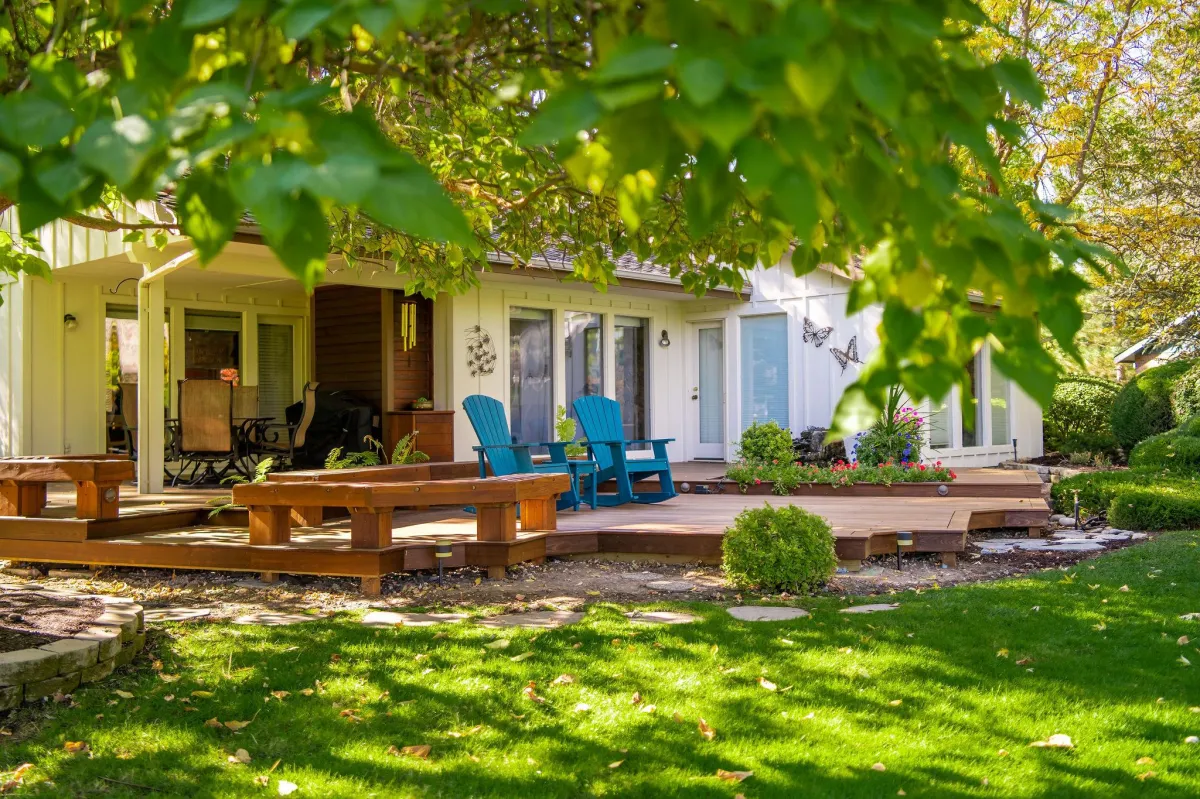
How To Choose The Right Deck Installer
A deck looks simple until you live with one through a Boise summer and a Treasure Valley winter.
In July, your boards bake under intense high-desert sun. In January, freeze-thaw cycles test every fastener, footing, and connection. Add foothills wind gusts, spring storms, and the occasional heavy snow year, and you start to see the difference between a deck that merely looks good on day one—and one that still feels rock-solid ten years later.
That’s why choosing the right deck installer matters more than most homeowners expect. You’re not just buying a platform in the backyard. You’re investing in a structure that needs to be engineered, detailed, and finished with the same care as the best parts of your home.
This guide is here to help you hire with confidence—whether you work with us or not—and to make your next outdoor living Boise upgrade feel exciting, not stressful.
How to choose the right deck installer
If you only read one section, make it this one. Here’s the most practical way to narrow your options and pick a deck builder Boise homeowners can trust.
Start with the right “type” of pro: deck builder vs. handyman vs. general contractor
A deck can be “built” by a lot of people. A great deck—one that fits your home, handles Boise weather, meets code, and feels intentional—usually comes from a team that specializes in outdoor structures.
Handyman / small crew: Often fine for repairs or replacing a few boards. Not ideal for structural builds, elevated decks, complex stairs, or integrated shade.
General contractor: Can coordinate trades, but may not be a specialist in structural outdoor carpentry or deck design details.
Specialized deck and outdoor living builder: Lives and breathes framing, footings, fastening systems, waterproofing, stair geometry, railing code, and outdoor materials.
If you’re looking for custom decks Boise homeowners use as true living spaces—especially with features like built-in benches, lighting, privacy screens, or patio shade solutions—start with a specialist.
Verify licensing, insurance, and local code familiarity (Boise + Treasure Valley)
This is non-negotiable. The best deck installer will bring it up before you have to ask.
At a minimum, confirm:
Proper contractor licensing (and that it’s current)
General liability insurance
Workers’ compensation coverage (so you’re not exposed if someone is injured on your property)
Local code familiarity: ledger attachment, guard height, stair requirements, footing depth, lateral load connections, and approved hardware
A deck is structural. If someone is casual about paperwork, it’s usually a sign they’re casual about the details you can’t see—like proper flashing, fastening, and connection points.
Evaluate their design process (not just their carpentry)
In Boise, a deck that’s “fine” can still be uncomfortable. Too hot. Too exposed. No shade at the right time of day. Awkward stairs. A railing that blocks the view you paid for.
A premium installer should have a real design process that answers questions like:
How do you actually want to use the space—dining, lounging, grilling, hot tub, entertaining?
What time of day do you use the backyard most (and where does the sun hit then)?
Do you need wind protection, privacy, or a cleaner transition to your yard?
Would a porch or awning create better comfort than an umbrella-and-hope approach?
This is where outdoor living becomes a lifestyle upgrade. In practical terms, it also prevents expensive “we should’ve done this differently” changes after the build starts.
Compare bids the right way (apples-to-apples scope checklist)
Most homeowners don’t lose money because they hired the most expensive contractor. They lose money because they hired the proposal that was missing critical line items—then paid for them later as “extras.”
When comparing deck builder Boise proposals, make sure each bid clearly states:
Exact decking material (brand, line, color—not just “composite”)
Framing lumber type/grade and on-center spacing
Footing size/depth and how posts are anchored
Hardware (joist hangers, structural screws/bolts, connectors) and whether it’s corrosion-rated
Flashing method at the house connection (ledger flashing details)
Railing type, height, and post attachment method
Stair width, number of landings, lighting, and handrail specifics
Permits: included or excluded
Warranty: workmanship + how issues are handled
If one bid is dramatically lower, it’s rarely because they’re “just more efficient.” It’s usually because something important is missing.
Ask the questions that reveal craftsmanship and long-term durability
These questions separate a true outdoor builder from someone who just knows how to run a saw:
How do you attach the deck to the house—and how do you flash it?
If the answer is vague, that’s a risk. The ledger connection is one of the most failure-prone areas when done poorly.What’s your plan for drainage and drying?
Boise isn’t humid like the South, but water still matters—especially in winter. Proper spacing, airflow, and flashing prevent rot and premature wear.Which fasteners and connectors do you use, and why?
Outdoor-rated, corrosion-resistant hardware is essential—especially with modern treated lumber and certain composites.What’s your joist spacing for the decking you’re recommending?
Some composites require tighter spacing to feel solid. A builder should know this without guessing.How do you build stairs so they feel safe and comfortable?
Stair geometry is where decks often feel “DIY.” A good installer cares about rise/run consistency, landing placement, lighting, and handrails.How do you handle callbacks?
Wood moves. Outdoor projects settle. The right company has a clear warranty and service process.
Review real work: portfolios, addresses, and material details
Photos are helpful, but in Boise they’re not enough. Lighting and angles can hide a lot.
Ask to see:
Completed projects in the Treasure Valley (not just stock images)
Close-ups of corners, picture framing, stair details, and railing transitions
Material callouts: what decking, railing, and trim products were used
If possible, a project you can walk (even from the sidewalk) to see fit and finish in real life
A deck can look great in a wide shot and still have sloppy craftsmanship where it matters.
Confirm timeline, communication, and jobsite standards
A high-quality outdoor build should feel organized. Ask:
Who’s your day-to-day contact?
How often will we get updates?
What’s your typical timeline from design to build in Boise seasonality?
How do you protect landscaping and keep the site clean?
How do you handle material lead times?
This matters because the best builders are in demand—especially spring through early fall. A clear schedule and proactive communication keep your project enjoyable.
What a great deck installer does differently
Boise homes are diverse—newer subdivisions, foothills properties with views, established neighborhoods with mature landscaping—and your outdoor structure has to work with all of it. A skilled deck installer doesn’t just build a deck. They build a system that handles sun, snow, movement, and long-term wear.
Designs for sun, wind, and snow load—not just looks
Here’s what “Boise-specific” design actually means:
Sun exposure and UV: South- and west-facing yards can be brutally hot. The right builder plans orientation, chooses materials that resist fading, and recommends shade that’s actually effective—like properly sized covers or awnings Boise homeowners can adjust as the sun moves.
Foothills wind swings: Elevated decks or exposed lots need smarter railing choices, wind breaks, and secure structural connections.
Snow load and seasonal stress: Not every winter is heavy, but the deck should be built for the winters that are. That includes proper footings, robust beams, and rails that don’t loosen over time.
A design-forward builder asks how you want to use the space in June and in October, then builds accordingly.
Builds for drainage, movement, and long-term stability
Outdoor structures move. Wood expands and contracts. Temperatures swing fast here—warm afternoons, cool nights, and shoulder seasons that stress materials.
A great installer accounts for:
Proper gapping (for the product used, not “whatever looks right”)
Structural blocking and bracing where it prevents bounce and twist
Correct hardware that won’t corrode or fail prematurely
Clean transitions where water likes to sneak in (ledger, posts, stair stringers)
This is where durability lives: in the details you don’t notice—until they’re missing.
Integrates shade and comfort: awnings Boise homeowners actually use
In Boise, shade isn’t an accessory. It’s the difference between using your deck daily and avoiding it for half the summer.
A premium outdoor living Boise builder should be able to design the deck with shade in mind, including:
Integrated covers and roof structures
Porches that create true all-weather outdoor rooms
Awnings that provide flexible coverage for dining areas or seating zones
Strategic privacy screens that also block late-day sun
If you’re exploring patio shade solutions, the deck installer should talk about sun angles, placement, and how shade interacts with traffic flow—not just sell you a product.
Plans for year-round use with lighting, heaters, and privacy
A deck can be more than a summer-only space. With thoughtful upgrades, Boise homeowners can extend their season significantly:
Low-glare deck lighting for safety and atmosphere
Built-in power for heaters or an outdoor kitchen zone
Privacy walls or screens for hot tubs and evening lounging
Wind-conscious layouts that make the space comfortable even when the weather shifts
The difference is intentional planning—done before framing begins.
Boise deck design choices that affect cost, lifespan, and maintenance
This is where homeowners feel overwhelmed, and it doesn’t need to be. Think of deck decisions in three categories: what you walk on, what keeps you safe, and what keeps the structure strong.
Decking materials: cedar vs. composite vs. PVC (what works best here)
Cedar (or other natural wood):
Pros: Warm, classic look; can be budget-friendly up front; easy to customize
Cons: Higher maintenance; needs staining/sealing; more vulnerable to sun fading and weathering
Best for: Homeowners who love real wood and don’t mind regular upkeep
Composite decking:
Pros: Low maintenance; consistent appearance; great traction options; strong long-term value
Cons: Costs more than basic wood; quality varies widely by brand/line; can hold heat in direct sun
Best for: Busy homeowners who want durability with minimal maintenance—common for custom decks Boise families use heavily
PVC decking:
Pros: Extremely low maintenance; strong moisture resistance; often cooler and more fade-resistant depending on product
Cons: Premium pricing; needs careful detailing to look its best
Best for: Homeowners prioritizing longevity and a crisp, upscale finish
A good deck builder Boise homeowners trust will help you match material to how you actually live—kids, dogs, entertaining, sun exposure, and how much maintenance you’re realistically willing to do.
Railings: wood, metal, cable (and what passes code + holds up)
Railings shape the look of the entire project. They also become a daily touchpoint, so they need to feel solid.
Wood railings: Traditional and can match older Boise homes nicely, but require maintenance and can loosen over time if not built well.
Metal railings (aluminum/steel): Clean, modern, low maintenance, and great for durability. A strong choice for foothills lots and wind exposure.
Cable railings: Beautiful for view lots, but require precise installation and tensioning. Also not ideal if you have small kids who treat them like a ladder.
Your installer should talk through code requirements and real-life use—not just aesthetics.
Foundations and framing: posts, footings, hardware, and why “hidden” details matter
This is the part homeowners rarely see, and it’s the part that determines whether your deck feels premium.
High-impact details include:
Proper footing depth and placement for Boise soils and frost conditions
Correctly sized beams and joists based on span and load
Corrosion-resistant connectors and fasteners
Thoughtful post placement that keeps the space open while staying structurally sound
When a deck is built correctly, it feels quiet and sturdy underfoot. No squeaks. No bounce. No “soft spots” a year later.
Stairs, landings, and transitions to patios, yards, and grade changes
Stairs are where decks often look like an afterthought. They shouldn’t.
A design-led installer will consider:
Comfortable stair width for traffic flow
Landings where the yard slopes or where you’ll carry food and drinks
Safe lighting at each step
Clean transitions to existing patios, walkways, and landscaping
This is especially important on Boise lots with grade changes or where you want a deck that flows into a paver patio or lawn area.
Permits, HOAs, and site realities in the Treasure Valley
A reputable deck builder in Boise will treat permits and HOA requirements as part of good project management—not as an annoying extra. It protects you, it protects resale value, and it usually leads to a cleaner, safer build.
When permits are required (and why you want them)
Many deck projects in Boise and surrounding cities require permits—especially when the deck is attached to the home, elevated, or includes stairs, roofs, or electrical. Even when a permit isn’t strictly required, pulling one can still be smart if you’re building a significant structure.
Permits typically help ensure:
Proper footing depth and size
Correct ledger attachment and flashing
Guard/handrail and stair safety compliance
Structural sizing for beams, joists, and connections
If a contractor tries to talk you out of permits as a default approach, that’s a signal to slow down. The risk usually lands on the homeowner later—during resale, insurance claims, or if a neighbor dispute triggers scrutiny.
HOA design review: what typically gets flagged
In many Boise-area neighborhoods, the HOA review can be as important as the building permit—sometimes more stressful if you’re not prepared.
Common HOA sticking points:
Railing style (especially cable rail or modern metal on more traditional streets)
Color palettes (decking, trim, stain, posts)
Height and visibility from the street or neighboring lots
Roofed covers / porches and how they match the home
Placement and appearance of awnings (yes, even “simple” shade can be regulated)
A design-forward outdoor living builder will help you choose options that look elevated and pass review the first time—saving weeks.
Foothills vs. valley lots: soil, slope, wind exposure, and access constraints
Boise is not one-size-fits-all. Two neighborhoods a few miles apart can build very differently.
Foothills / view lots: More wind exposure and more dramatic temperature swings. These sites often benefit from sturdier rail strategies, wind-conscious layouts, and stronger anchoring. Slopes can also add complexity to stairs, landings, and excavation.
Valley lots / subdivisions: Often easier access, but HOAs can be stricter. Drainage patterns (especially where water flows off lawns, sprinklers, or downspouts) matter a lot for long-term performance.
Tight access yards: Material delivery, demolition, and protecting landscaping can change labor and timeline. A professional will plan logistics up front instead of “figuring it out later.”
This is where experience pays off. A seasoned porch builder Boise homeowners trust or a specialized deck crew will ask site questions early—before your design becomes expensive to execute.
Budget ranges and what drives the price of a custom deck in Boise
Let’s keep this practical: the budget question isn’t “How much is a deck?” It’s “What are we building, what’s it made of, and what comfort features are we adding?”
Typical investment ranges (and what’s included)
For Boise-area projects, these are reasonable planning ranges (final pricing depends on size, height, materials, and complexity):
Entry-level deck replacement / straightforward build: often starts in the high four figures to mid five figures
Best fit: smaller footprints, basic rail, simpler stairs, minimal site constraints.Mid-range custom deck (composite/PVC upgrades, better railings, clean detailing): commonly in the mid five figures
Best fit: entertaining-friendly layouts, upgraded materials, more stairs/landings, better finish work.Premium outdoor living builds (multi-level, integrated lighting, privacy features, and shade): frequently upper five figures and beyond
Best fit: the “outdoor room” approach—where the deck is paired with awnings Boise homeowners use daily, a porch, or a full comfort plan.
If you’re combining a deck with patio shade solutions, lighting, electrical, or structural cover elements, it’s normal for the investment to climb—because you’re building function, not just square footage.
The biggest cost drivers: size, height, materials, stairs, and shade
Here’s what moves the needle most:
Deck size and shape
Simple rectangles are typically more efficient. Angles, curves, picture framing, and custom inlays take more labor and material.Height and structural requirements
Elevated decks require more engineering, more substantial framing, and often more complex stairs and railings.Material selection
Composite and PVC cost more up front than basic wood, but they can win long-term when you factor maintenance and longevity—especially in Boise sun.Railings
Metal and cable systems can be premium upgrades. Post placement and how rail sections tie in also affect labor.Stairs and landings
Stairs aren’t just “a few steps.” They’re framing, footings, geometry, rail, lighting, and often a landing that has to feel natural with your yard.Shade and cover elements
This is where outdoor living gets truly usable. Integrated covers, porch structures, and awnings in Boise add comfort—and complexity. Done right, they’re worth it.
How to protect your budget without “cheapening” the build
If you want a premium outcome without overspending, focus budget where it actually impacts daily use and long-term performance:
Don’t cut corners on structure. Footings, framing, connectors, and flashing are the backbone.
Choose smart “high-touch” upgrades. Railings you love, a stair layout that feels right, and shade in the correct place matter more than fancy patterns everywhere.
Phase add-ons intelligently. Lighting rough-ins, future shade attachment points, and electrical pathways can be planned now even if you add features later.
Design first, price second. When the plan is clear, pricing becomes more predictable and you avoid costly mid-build changes.