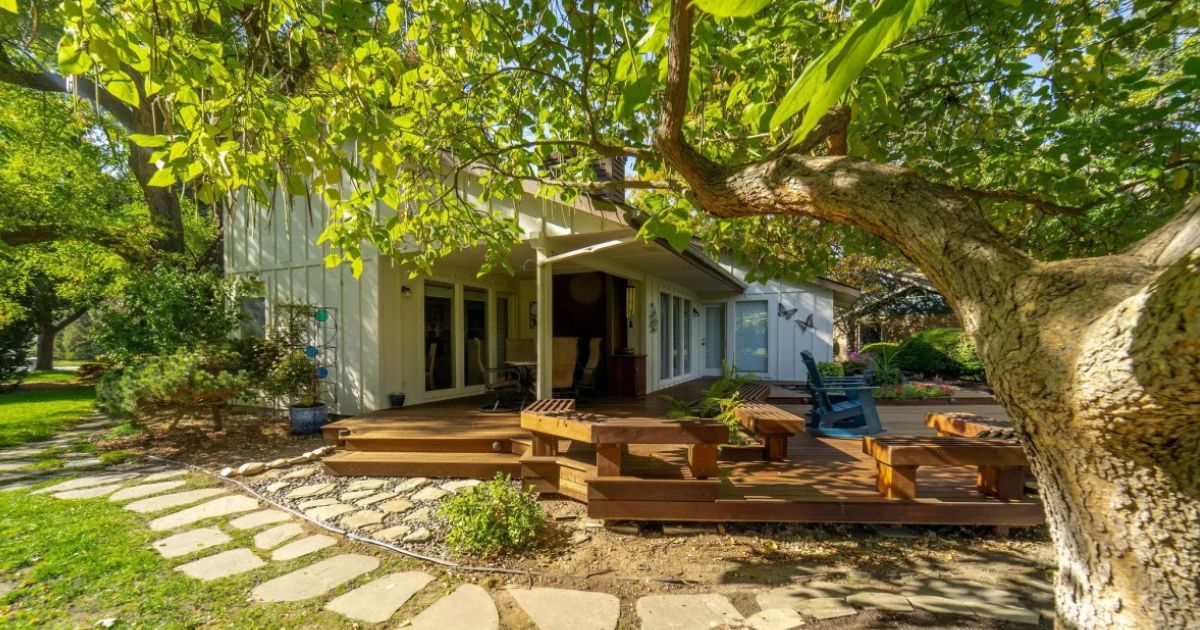
How Much Does It Cost to Build a Deck?
Boise homeowners don’t build decks just to check a box. You want a space that feels like a natural extension of the house—clean lines, thoughtful details, and a layout that makes mornings slower and evenings longer. The challenge is that “deck cost” can look wildly different from one bid to the next, even when the square footage feels similar.
This guide breaks down real cost drivers in the Treasure Valley, so you can plan confidently and invest where it actually matters.
Boise homeowners don’t build decks just to check a box. You want a space that feels like a natural extension of the house—clean lines, thoughtful details, and a layout that makes mornings slower and evenings longer. The challenge is that “deck cost” can look wildly different from one bid to the next, even when the square footage feels similar.
Decked Out has been building outdoor living spaces in the Boise area for nearly 30 years. We’re the sister company of Renaissance Remodeling (trusted across Idaho since 1997), created to meet the demand for specialized outdoor spaces—custom decks, awnings, and porches built with the same standards you’d expect inside the home. This guide breaks down real cost drivers in the Treasure Valley, so you can plan confidently and invest where it actually matters.
How Much Does It Cost to Build a Deck in Boise?
Most professionally built decks in the Boise area land in a wide range because design, height, materials, and site conditions matter as much as size. As a practical starting point, here’s how deck budgets typically shake out when working with an experienced deck builder in Boise
If you’re scanning online national averages, you’ll often see installed deck costs commonly cited in the rough ballpark of $30–$60 per square foot, depending on material and complexity. The key is that Boise projects can swing above or below that range based on access, elevation, railing, and whether you’re adding shade or cover.
Cost per square foot
Square-foot pricing is useful for back-of-napkin planning—but it breaks down fast when your project includes stairs, railing, or unique structure.
A cleaner way to think about it:
Deck surface + structure is the baseline.
Railing is a major “multiplier” (especially cable, metal, or glass).
Stairs can add thousands quickly (stringers, landings, rail continuity, footing locations).
Cover/shade (awnings Boise homes rely on, pergolas, porch roofs) often becomes its own mini-project with structural requirements.
For composite specifically, manufacturers and industry sources often show material costs that vary widely by product line and what’s included in the estimate; for example, Trex notes estimated material costs can run broadly by square foot depending on what’s counted (substructure, hardware, etc.).
What homeowners miss when comparing bids
If two numbers look far apart, it’s usually because one quote quietly excludes things that make a deck feel finished—and perform well long-term:
Footing depth and layout (done right, not “good enough”)
Flashing and ledger detailing where the deck meets the home
Railing quality and stiffness (especially important with wind exposure)
Stair comfort (tread depth, landing size, handrail continuity)
Drainage/water management to protect framing and keep the area below usable
Electrical planning (lighting, outlets, heaters) before framing closes in
A design-forward deck isn’t “more expensive because it’s pretty.” It costs more because it’s planned, detailed, and built to stay solid for decades.
What Impacts Deck Cost Most
If you want pricing to make sense, focus on the cost drivers that actually move the needle.
Size, height, and complexity (stairs change everything)
Bigger deck = more structure + more surface, but not always a straight line. A larger rectangle can be more efficient than a smaller deck with multiple angles.
Height adds cost fast. Elevated decks require more substantial structure, taller posts, more bracing, and usually railing.
Stairs are one of the biggest line items because they add framing complexity, more footing locations, rail continuity, and more labor than flat decking.
Site conditions in the Treasure Valley (grade, access, soil)
Boise-area homes vary a lot—bench lots, older North End yards, tight side access in newer subdivisions, foothills grading. Site factors that affect cost:
Slope and grade changes (more excavation, taller structure, extra bracing)
Access constraints (material staging, demolition, hauling)
Existing surfaces (concrete patios, landscaping, irrigation lines)
Demolition and disposal if you’re replacing an aging deck
Sun exposure, foothills wind, and seasonal swings
Outdoor living Boise homeowners actually use is all about comfort:
West-facing heat and UV exposure push many homeowners toward shade planning early—awnings, pergolas, or porch covers—because a deck that’s too hot at 6 p.m. sits empty.
Foothills wind exposure can influence railing selection and how “tight” the deck feels underfoot.
Freeze/thaw and snow affect drainage and material movement; the right gaps, detailing, and fasteners matter.
Boise’s building code climate criteria also reflects real structural considerations—like wind design speed and snow load—that become especially relevant when you add covers, roofs, or taller structures.
Permits, setbacks, and HOA approval
Permitting isn’t just paperwork; it’s also a cue for structural requirements and inspections.
In the City of Boise, a building permit is required when a deck is more than 12 inches above grade. And if you’re thinking about a covered element: attached patio covers require a permit regardless of size.
HOAs often add constraints on:
Deck height and visibility
Color and railing style
Covered structures, awnings, and privacy screens
A good porch builder Boise homeowners trust will help you navigate this early—before design decisions get expensive to undo.
Deck Materials and What They Really Cost Over Time
Material choice shapes three things: your upfront investment, how the deck looks in 5–10 years, and how much time you’ll spend maintaining it.
Pressure-treated framing and decking (best for tight budgets)
Why it’s popular: Lowest upfront cost, widely available, strong when built correctly.
Tradeoff: More movement over time; needs regular maintenance if you want it to stay looking sharp.
Best fit: functional decks where budget is the priority and you’re okay with periodic cleaning and staining.
Cedar and wood decks (warm, classic, higher upkeep)
Cedar has that Northwest warmth that looks right at home in Boise—especially with black railings and clean trim details.
Why it’s popular: Natural beauty, lighter underfoot, timeless curb appeal.
Tradeoff: You’ll maintain it. Sun exposure and weather swings mean regular sealing/staining matters.
Best fit: design-driven homes where natural material is part of the architectural feel.
Composite decking (low maintenance, premium look)
Composite is a common upgrade for custom decks Boise homeowners want to enjoy—not babysit.
Why it’s popular: Low maintenance, consistent color, great performance over time.
Tradeoff: Higher upfront cost; quality varies by product line.
Manufacturers and industry sources commonly show composite material estimates and installed costs varying widely depending on what’s included and the specific product tier.
Best fit: homeowners who want a clean, premium look with minimal upkeep.
PVC decking (cooler underfoot, highest material cost)
PVC tends to command a premium but offers benefits in heat management and moisture performance—helpful when sun and weather exposure are intense.
Best fit: high-exposure decks where comfort and longevity are top priorities.
Railings: metal, cable, composite, glass—where budgets go fast
Railing is one of the most underestimated costs because it’s priced per linear foot and often spans the entire perimeter.
Basic wood railing: budget-friendly, higher maintenance
Metal railing: modern, strong, lower visual bulk
Cable railing: premium look, precision install (and usually premium pricing)
Glass panels: stunning views, highest cost, more cleaning
If your home has foothills views, we often design the deck around sightlines first—then pick a railing system that protects the view without compromising safety or stiffness.
Design Features That Move the Budget
Stairs, landings, and multi-level layouts
If you remember one thing: stairs aren’t an accessory—stairs are structure. Wider stairs feel luxurious and safer, but they require more framing and more railing. Add a landing and you improve flow dramatically, especially for families and entertaining.
Covered decks, pergolas, and porch-style roofs
Covered outdoor living is one of the best “use more months” upgrades you can make in Boise.
If you’re building a porch-style roofline or attached cover, Boise’s permitting and structural criteria apply—and in some cases, the city provides prescriptive pathways that can reduce the need for project-specific engineering when the design stays within certain limits.
Awnings and patio shade solutions for Boise sun
Shade doesn’t have to mean a full roof. For many homes, awnings Boise homeowners add are the cleanest solution: flexible coverage, strong visual impact, and a comfortable deck even when the sun is aggressive.
“Patio shade solutions” that affect budget:
Retractable or fixed awnings
Pergolas with adjustable shade systems
Partial covers over dining zones
Privacy screens that double as wind blocks
Lighting, heaters, outlets, and outdoor kitchens
Outdoor living Boise spaces feel premium when they’re easy to use at night:
Step lights and rail lights
Ceiling fan/heater planning for covered zones
Outlets placed where you actually need them (grill, music, holiday lights)
These items are far easier (and usually cheaper) when planned before framing is complete.
Drainage systems for “dry space” under elevated decks
If your deck is elevated, under-deck drainage can turn wasted space into storage or a protected patio zone. It’s not right for every project, but when it fits, it changes how the whole yard works.
Boise Permits and Structural Requirements You Should Plan For
When a deck permit is required in Boise
City of Boise guidance states a building permit is required when a deck is more than 12 inches above grade.
Patio covers and pergolas: when engineering may be avoided
Boise also publishes a patio cover construction policy that describes situations where an attached wood-framed patio cover or pergola may not require project-specific structural engineering if it meets prescriptive limits (span, height, attachment, and other conditions).
Snow load and wind design considerations
Boise’s published climate criteria includes ground snow load and wind design speed, which matter more the moment you add a roofline, taller posts, or a covered porch structure.
A deck is one of the few home improvements that changes how you use your entire property. Done right, it feels obvious—like the house was always meant to open up that way.
If you’re thinking about custom decks in Boise, awnings, a porch cover, or a full outdoor living upgrade, Decked Out can help you plan a design that fits your home, your light exposure, and your budget. Schedule your free consultation today by clicking here!