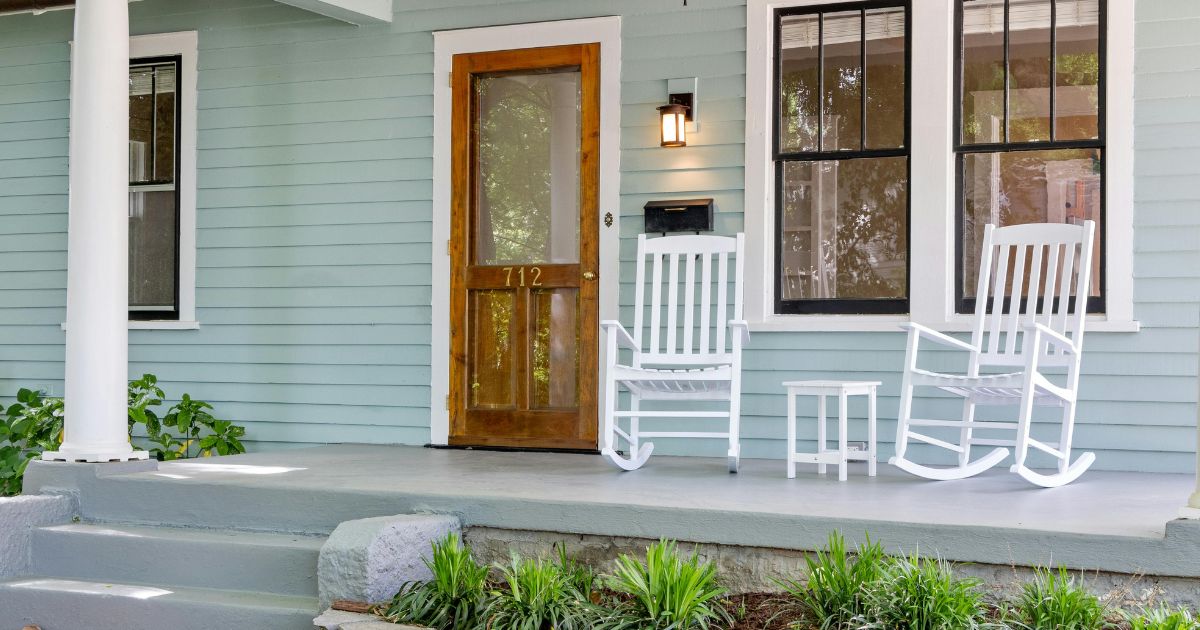
How Much Does It Cost to Build a Porch?
Boise homeowners have a special relationship with the outdoors. We get long evenings, bright high-desert sun, and a real four-season swing that makes a well-designed porch feel less like a “nice-to-have” and more like a quality-of-life upgrade. A porch can turn a simple front entry into a welcoming outdoor room, or it can become the covered hangout space that makes summer dinners and shoulder-season coffee actually comfortable.
At Decked Out, we’ve been building outdoor living Boise homeowners can count on for nearly 30 years—structures that look sharp on day one and still feel solid years later. We’re also the sister company of Renaissance Remodeling, so we approach porches the same way we approach full home remodels: clear planning, durable construction, and details that don’t get shrugged off.
Let’s start with the question everyone asks first.
CHECK OUT: Decked Out's Porch Services
How Much Does It Cost to Build a Porch? Boise Price Ranges
Porch costs in Boise vary widely because “porch” can mean anything from a simple covered landing to a fully finished, screened-in outdoor room with lighting, fans, and premium railings. Here are realistic ranges for the Treasure Valley, assuming professional design and construction.
Typical Boise porch costs by type
Simple open front porch (small, no roof or minimal cover): $8,000–$20,000
Often a low-to-moderate-height platform with stairs/railings and basic finishes.Covered front porch (roofed, finished columns, lighting): $20,000–$55,000
This is the most common “we want a real porch” category—roof structure and tie-ins drive a lot of the cost.Screened-in porch (roof + screens + upgraded finishes): $35,000–$90,000+
A true outdoor room. Electrical, framing details, and higher finish levels add up.Wraparound porch (larger footprint, more roof complexity): $60,000–$150,000+
These can be architectural showpieces, but they require serious structural planning.
Cost per square foot (a helpful—but imperfect—rule of thumb)
Basic porch build: $75–$150/sf
Covered porch: $150–$275/sf
Screened-in / outdoor-room feel: $250–$450/sf
Those ranges can move based on height, roof tie-in complexity, access, and finish level. A porch that sits 2–3 feet off grade with wide steps and railings is materially different than a near-grade slab-style porch. Add a roof that must match your home’s pitch and survive Boise snow loads, and you’re into a different class of project.
A realistic “Boise budget starter pack”
If you want a porch that feels premium without turning into a whole-house exterior renovation, most homeowners land somewhere in this zone:
A covered porch large enough for seating (think 8’x12’ to 10’x16’): $25,000–$65,000
Includes: solid footings, quality decking or porch flooring, code-compliant stairs/railings, well-proportioned columns, roof designed for local conditions, and a clean electrical plan (lighting + an outlet).
That range is where thoughtful design makes the biggest difference. The right roofline, column sizing, and ceiling finish can make a mid-range porch look like it was always part of the home—rather than an add-on.
What Drives Porch Cost in the Treasure Valley
If you’re getting porch bids that don’t even feel like they’re describing the same project, this section explains why. These are the biggest cost drivers we see when homeowners compare options with a deck builder Boise families trust for outdoor structures.
Size, height, and site conditions (steps, grading, demo)
Footprint: Larger porches require more framing, more roofing, more footings, and often more finish work.
Height off the ground: More height usually means more stairs, more railing, stronger structure, and more labor.
Demo and access: Removing an old stoop, dealing with landscaping, or working around tight access changes labor and equipment needs.
Drainage and grading: Boise’s freeze/thaw cycles make drainage details non-negotiable. If water management needs help, it affects scope and cost.
Roof complexity, tie-ins, and snow load engineering
A covered porch is essentially a small roof project plus a structural project.
Roof tie-in to existing home: Matching pitch, integrating flashing, and ensuring it performs during rain/snow is detail-heavy work.
Snow load design: Even in Boise proper, roof structure needs to be built for local conditions. In foothills areas, weather swings and exposure can get more intense.
Ceiling finish and soffits: A painted tongue-and-groove ceiling or stained wood finish changes the look dramatically—but also changes the budget.
Materials and finishes (flooring, trim, railings, columns)
Porch builds are where finish choices show up immediately.
Flooring: wood vs. composite vs. porch-specific products
Railings: simple wood rails vs. steel, cable, or composite systems
Columns: basic posts vs. properly scaled, trimmed columns that look architectural
(This is a big “premium vs. ordinary” divider.)
Electrical, lighting, fans, heaters, and outdoor audio
A porch that gets used into the evening needs a plan:
Recessed lights or a statement fixture at the entry
Ceiling fan(s) for summer comfort
Outlets for holiday lighting, speakers, or small appliances
Optional radiant heat for shoulder seasons
These features are worth it when they’re designed in from the start—rather than added later with visible conduit and compromised placement.
Permits, inspections, and HOA requirements
Most roofed structures and elevated platforms require permits. HOA review can add design requirements (column style, roofing color, railing picket spacing, etc.). Doing this cleanly upfront saves redraws and schedule headaches.
Porch Types and What They Cost
Open front porch
Best for: improving curb appeal, creating a welcoming entry, adding a small seating moment
Typical investment: $8,000–$20,000 (simple) | $15,000–$35,000 (more design-forward)
Boise-smart design tip: If your entry faces west, an open porch can still roast in late-day sun. You may want partial cover, a small roof extension, or a coordinated shade element to make it usable after work.
Covered porch
Best for: daily use, shade, weather protection, making the front of the home feel “finished”
Typical investment: $20,000–$55,000 (common range) | $55,000–$85,000 (larger + premium finishes)
Boise-smart design tip: Build for real shade. We like roof depths that actually block summer sun angles and keep rain off the decking. The right depth is what turns “looks nice” into “we sit here all the time.”
Screened-in porch
Best for: an outdoor room feel without bugs, wind, or intense sun
Typical investment: $35,000–$90,000+
Boise-smart design tip: Screens help with insects, but they’re also a comfort upgrade when wind kicks up. Add a ceiling fan and well-placed lighting and you’ll use it deep into the season.
Wraparound porch
Best for: classic architecture, multiple outdoor zones, making a statement
Typical investment: $60,000–$150,000+
Boise-smart design tip: Wraparounds need thoughtful rooflines and proportion. If it doesn’t match the home’s architecture, it can look “pasted on.” This is where design-first planning matters most.
Hybrid outdoor living upgrades (porch + custom deck, patio shade solutions, awnings Boise)
Some homes don’t need a massive porch—they need comfort and coverage.
Pair a smaller porch entry with a custom deck in the backyard for entertaining
Use patio shade solutions like a well-integrated cover or awnings Boise homeowners love for flexible shade
Create a cohesive outdoor plan so front and back feel intentionally designed—not like separate projects
This is where Decked Out shines as an outdoor living builder: we can design the whole flow so your porch, deck, and shade elements feel like one upgraded property.
CHECK OUT: Decked Out's outdoor living services
Material Choices That Change the Price (and the Maintenance)
A porch should look better over time, not get “tired” after a couple seasons. Material selection is where durability shows up.
Wood vs. composite vs. concrete/porcelain options
Pressure-treated framing (typical structural base): Great structure when built correctly, but it needs proper flashing and fastening.
Cedar or stained wood decking: Warm, classic, and very Boise-friendly aesthetically. Expect periodic maintenance (cleaning + re-stain/seal).
Composite decking: Higher upfront cost, lower ongoing maintenance. Great for busy homeowners who don’t want to think about refinishing.
Concrete/porcelain (less common for elevated porches): Often used for patios more than raised porches, but can be part of a broader outdoor living Boise plan.
Design-forward note: For a premium look, we often focus on clean edges, hidden fasteners where appropriate, and intentional trim details. A porch can be “expensive” and still look generic if the finishing isn’t thoughtful.
Railings: cedar, steel, cable, composite, glass
Wood railings: Classic, budget-friendly, but need upkeep.
Steel railings: Sleek and durable. A strong choice for modern or transitional homes.
Cable: Great sightlines, but needs correct spacing and tensioning.
Composite rail systems: Consistent look and lower maintenance.
Glass: High-end and view-focused; best when the architecture supports it.
Ceiling + roof materials that perform in Boise sun and winter swings
Tongue-and-groove wood ceiling: Beautiful, especially stained; a strong premium feature.
Fiber cement or painted panel ceilings: Clean, durable, and cost-effective.
Roofing: Matching your existing roof is ideal for a seamless look, but proper underlayment, flashing, and venting details matter just as much as the shingles.
Boise-Specific Planning: Sun, Wind, Foothills Weather, and Seasonal Use
Boise isn’t harsh in the same way as coastal storm zones, but our environment is demanding in its own way: high UV, temperature swings, and winter moisture.
West-facing heat and UV protection strategies
If your porch faces west, late-afternoon sun can make it feel unusable.
Smart solutions:
deeper roof overhangs
side privacy panels or architectural screens
coordinating awnings Boise homeowners can adjust for seasonal sun angles
ceiling fans for air movement
Wind exposure and bracing details that matter
Wind is sneaky—it finds weak points in tall rails, long spans, and roofs without proper bracing.
We design for:
rigid connections
correct post sizing
secure uplift resistance for roof structures
rail systems that feel solid, not springy
Winter moisture, freeze/thaw, drainage, and slip resistance
A porch should shed water cleanly. Good builds account for:
drainage planes and correct slope
flashing where the porch meets the home
materials and finishes that don’t become slick when damp
snow management near steps and landings
How to Budget Like a Pro (Without Overbuilding)
Start with how you’ll use it
A porch that gets used weekly is designed differently than a porch that’s mostly for curb appeal. Decide early:
seating for 2 or 6?
dining or lounging?
morning shade or evening shade?
seasonal use (spring/fall comfort)?
Where to invest for longevity and resale
If you want long-term value, prioritize:
structural integrity (footings, framing, roof tie-ins)
water management (flashing, drainage)
durable railings and low-maintenance surfaces
lighting that feels intentional, not “afterthought”
Common “surprise costs” and how to avoid them
Roof tie-in complexity (hidden framing conditions at the existing wall)
Electrical upgrades if the panel is maxed or routing is difficult
Step and landing requirements (code-compliant geometry sometimes changes layout)
Material lead times (especially for specialty railings or premium decking)
A design-build team prevents surprises by planning details before demolition starts.
A porch should feel like part of the home—proportional, comfortable, and built for Boise’s seasons. Whether you’re picturing a classic covered entry with warm wood details, a screened-in space that blocks wind and bugs, or a bigger outdoor living Boise plan that combines a porch with a new deck and patio shade solutions, the right design makes the investment pay off every day you use it.
If you want clear pricing, design options that match your home, and a build process that stays straightforward, Decked Out is ready to help. Start with a conversation, tell us how you want to use the space, and we’ll map out a porch plan that fits your style and budget.