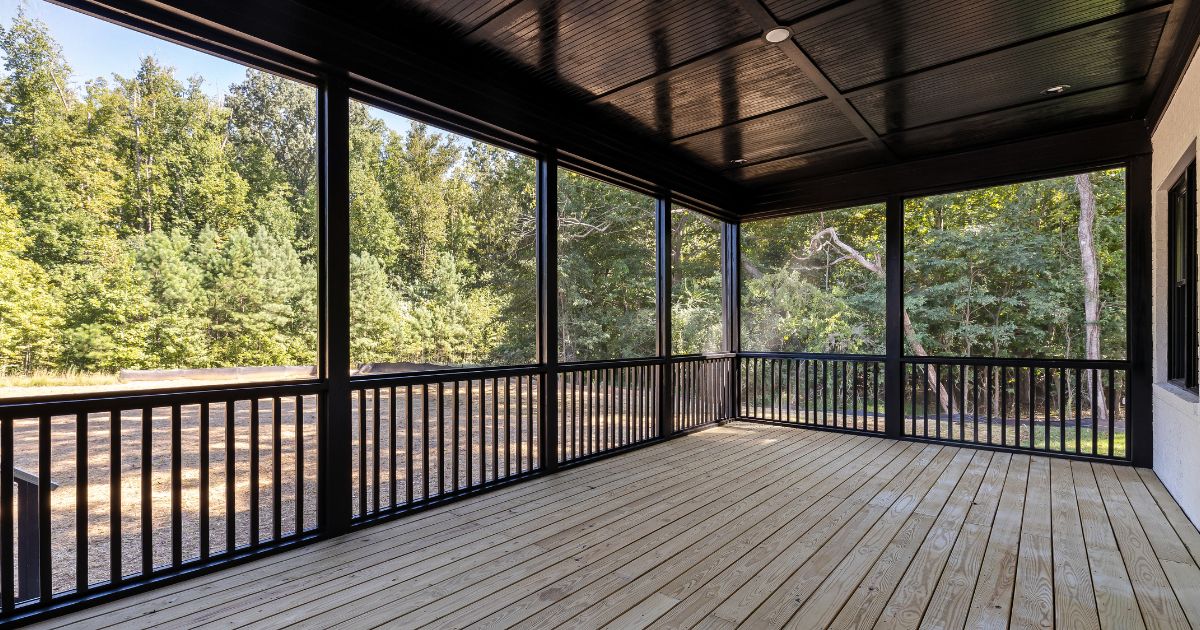
Everything You Need To Know About Patio Covers
Boise homeowners do not usually need another outdoor space they can use only when the weather is perfect. They need a space that stays comfortable during a hot July afternoon, remains useful when a spring shower moves through, and feels connected to the home instead of looking like an afterthought.
That is where a well-designed patio cover makes a meaningful difference.
A patio cover can turn an exposed slab, deck, or backyard seating area into a more functional extension of your home. It can provide dependable shade, protect outdoor furnishings, support lighting and fans, and create a defined setting for dining, entertaining, or simply spending more time outside.
The structure itself may look straightforward, but designing one correctly requires careful decisions about orientation, roof style, materials, drainage, engineering, and long-term maintenance. Boise’s summer sun, winter snow, seasonal wind, and large temperature changes all need to be considered.
This guide explains what Boise-area homeowners should know before adding a patio cover, including design options, material choices, permit considerations, costs, construction timelines, and the details that separate a lasting outdoor room from a basic roof over a patio.
Click here to see all of our patio services
What Is a Patio Cover, and Is It Worth Adding to Your Boise Home?
A patio cover is a permanent or adjustable overhead structure designed to provide shade and weather protection above a patio, deck, or outdoor living area. It may be attached to the house or built as a freestanding structure. Depending on the design, the roof can be solid, insulated, slatted, retractable, or made with adjustable louvers.
For many Boise homes, a patio cover is worth adding because it makes an existing outdoor area usable during more of the year. It reduces direct sun exposure, provides relief from light rain, protects furniture and finishes, and gives the backyard a stronger sense of purpose.
The best patio covers do more than block sunlight. They feel like a deliberate extension of the home.
That means the post placement supports comfortable circulation. The roofline complements the house. Water drains away correctly. Lighting is positioned where it is useful. The structure is proportioned to the deck or patio rather than simply covering the largest possible area.
A thoughtfully planned cover may also improve the appeal of the property by creating a finished outdoor room instead of an exposed seating area. The value comes from both appearance and daily use.
Patio Covers vs. Pergolas, Awnings, and Porches
These terms are sometimes used interchangeably, but they describe different outdoor structures.
A solid-roof patio cover provides consistent overhead protection from sun and precipitation. It is often the best choice when homeowners want an outdoor dining room, lounge, kitchen, or entertaining area that feels dependable in changing weather.
A pergola typically has an open or slatted roof. It creates architectural definition and partial shade, but it does not provide the same rain protection as a solid cover unless a separate canopy or roofing system is added.
An awning projects outward from the home and may be fixed or retractable. Awnings can be an effective patio shade solution when homeowners want seasonal flexibility or a less substantial structure.
A porch is generally a roofed platform connected to an entrance or exterior wall of the home. Porches often include their own foundation, framing, flooring, columns, and railings. A skilled porch builder in Boise will approach the structure as an architectural addition rather than simply an overhead cover.
The right option depends on how much weather protection you need, how you use the space, and how permanent you want the structure to feel.
Why Patio Covers Work Especially Well in the Treasure Valley
Boise receives abundant sunshine, which is one of the reasons outdoor living is so appealing here. That same exposure can make an uncovered west- or south-facing patio uncomfortable during the hottest part of the day.
A properly oriented patio cover can reduce glare and direct solar exposure while preserving airflow and outdoor views. It can also protect composite decking, wood finishes, furniture fabrics, and outdoor kitchen components from constant exposure to sun and precipitation.
During cooler months, a covered area can support overhead heaters, lighting, wind screens, and other features that extend its usefulness. It does not turn the patio into a conditioned indoor room, but it can make the space far more comfortable across Boise’s changing seasons.
The Main Types of Patio Covers
There is no single patio cover style that works for every Boise home. The right design depends on the property, budget, architecture, sun exposure, and level of weather protection the homeowner expects.
Solid-Roof Patio Covers
A solid-roof cover provides the most consistent protection from sunlight, rain, and snow. It can be framed to resemble an extension of the home and finished with roofing, trim, soffits, and columns that match or complement the existing exterior.
This style works especially well over:
Outdoor dining areas
Covered decks
Outdoor kitchens
Conversation areas
Hot tubs
Backyard entertaining spaces
A solid roof also provides a practical location for recessed lighting, fans, heaters, speakers, and electrical outlets.
The primary design challenge is preventing the structure from making the adjacent interior feel too dark. Roof height, depth, orientation, ceiling color, and the position of nearby windows all affect how much natural light reaches the house.
Insulated Roof Panel Systems
Insulated roof panels combine structural performance with a clean, finished appearance. These systems typically use panels with an insulating core between exterior layers.
The insulation can help reduce heat transfer through the roof, which may make the space below more comfortable during Boise’s hottest afternoons. They can also provide a streamlined ceiling surface without the layered framing and finish work of a conventionally built roof.
Insulated panels are often a good fit for homeowners who want:
A contemporary appearance
Efficient installation
A low-maintenance finish
Better heat control than a basic metal roof
Integrated gutters and drainage
Product quality and installation details matter. Panel thickness, span capacity, connections, flashing, and drainage must all be selected for the specific project.
Louvered Patio Covers
A louvered patio cover uses adjustable roof blades that can open for sunlight and ventilation or close to provide shade and rain protection.
This option gives homeowners more control than a fixed roof. On a cool spring morning, the louvers can be opened to bring in warmth and natural light. During a hot afternoon, they can be closed to create shade.
Motorized systems may include rain sensors, integrated drainage, lighting, fans, and smart controls.
Louvered roofs tend to sit at the premium end of the patio cover market. The added cost comes from the operating system, specialized components, controls, drainage channels, and installation requirements. They are a strong choice for homeowners who value flexibility and a modern architectural look.
Pergola-Style and Partial-Shade Covers
A pergola creates filtered shade without fully enclosing the area overhead. It can add scale and structure to a backyard while keeping the environment open.
Pergolas work especially well when the goal is to:
Define an outdoor room
Add architectural interest
Support climbing plants
Preserve more natural light
Provide partial rather than complete shade
The spacing and orientation of the slats determine how much shade the pergola produces. A pergola designed only for appearance may provide very little relief from Boise’s afternoon sun. Sun angles should be studied before deciding on beam direction and spacing.
A pergola can also be paired with retractable fabric, shade panels, or an adjustable canopy.
Retractable Awnings
Retractable awnings allow homeowners to extend shade when needed and pull it back when they want more sunlight.
They can be useful for smaller patios, upper-level decks, or homes where posts would interfere with views and circulation. Homeowners researching awnings in Boise should pay close attention to wind ratings, mounting requirements, fabric quality, motor protection, and sensor options.
A retractable awning should generally be closed during high winds and significant snow. It offers useful flexibility, but it should not be treated as a permanent all-weather roof unless the specific system is engineered for those conditions.
Attached vs. Freestanding Patio Covers
An attached patio cover connects to the house. This creates a natural transition from indoors to outdoors, but it also transfers structural loads into the home and requires careful flashing and attachment details.
A freestanding cover supports itself independently. It can be placed away from the house, used to cover a detached seating area, or designed around a pool, fire feature, or garden view.
Freestanding structures provide flexibility, but they still require properly designed footings, post connections, roof framing, and drainage.
The decision should be based on more than appearance. Existing wall construction, roof height, window placement, property setbacks, underground utilities, and the condition of the patio or deck all influence what is practical.
How to Choose the Right Patio Cover for Your Home
Homeowners often begin with a photo of a patio cover they like. That is a useful starting point, but the best design comes from understanding how the space needs to function.
Start With How You Want to Use the Space
A quiet coffee patio requires a different layout than an outdoor kitchen built for large family gatherings.
Before choosing a roof style, consider:
How many people regularly use the space
What time of day it will be used most
Whether you need dining, lounging, cooking, or multiple zones
How people will move between the house, yard, and deck
Whether you want year-round features such as heaters
How much weather protection you expect
A nice covered patio would be perfect for families who enjoy eating outside but do not want every meal dictated by the afternoon sun. For frequent entertainers, the cover may need to accommodate a dining table, serving area, grill station, and clear walking paths.
Furniture dimensions should be included during design, not after construction. That prevents posts from landing beside chairs, behind a grill, or in the middle of an important view.
Study the Sun, Wind, and Weather Exposure
The direction the patio faces can significantly affect comfort.
West-facing spaces often receive intense late-day sun. South-facing spaces may need deeper coverage or strategically placed screens. North-facing patios generally receive less direct sun but may feel cooler during shoulder seasons.
Shade should be designed around the sun’s actual path, not simply the dimensions of the existing concrete slab.
Wind also deserves attention. Properties near open fields, elevated lots, foothills, and exposed corners may experience stronger gusts than sheltered suburban yards. Post size, connections, roof shape, screens, and retractable components should be selected accordingly.
Match the Architecture of the House
A patio cover should look like it belongs with the home.
That does not mean it must copy every existing detail. It means the proportions, materials, colors, roof pitch, and trim should relate to the architecture in a thoughtful way.
For a traditional home, that may involve substantial columns, a pitched roof, exposed wood details, or finishes that coordinate with the siding.
For a contemporary home, the better solution may be a slim aluminum system, a low-slope roof, restrained colors, and clean connections.
A design-forward patio cover can add character, but it should not compete with the house.
Plan the Right Size, Height, and Roofline
A cover that is too shallow may shade the wall but leave the seating area exposed. A cover that is too deep or too low can make the interior rooms behind it feel dark.
Important dimensions include:
Overall roof depth
Finished ceiling height
Distance between posts
Roof pitch
Clearance above doors and windows
Grill and appliance clearances
Furniture and circulation zones
Gutter and downspout locations
Vaulted ceilings can make a covered patio feel larger and improve airflow. Lower ceilings can feel more intimate and may make heating more efficient. The right proportion depends on the scale of the house and the desired atmosphere.
Think Beyond the Roof
The best outdoor living projects are planned as complete environments.
A patio cover may need to coordinate with:
A new or existing deck
Stairs and railings
Exterior lighting
Ceiling fans
Heaters
Outdoor speakers
Privacy walls
Awnings or roll-down shades
An outdoor kitchen
Landscaping
Drainage
A future hot tub or fire feature
Planning these elements together creates a cleaner result and reduces the need to open finished surfaces later.
The Best Patio Cover Materials for Boise Homes
Material selection affects appearance, maintenance, structural performance, and cost. Each option has strengths, but no material performs well when the connections, finishes, and water-management details are poorly executed.
Wood Patio Covers
Wood offers warmth, depth, and flexibility. It can be used for traditional porches, exposed timber structures, modern slatted covers, and nearly any style in between.
Common advantages include:
Natural character
Broad design flexibility
Easy customization
Compatibility with many home styles
The ability to stain or paint the structure
Wood requires ongoing care. The maintenance schedule depends on the species, finish, exposure, and design. South- and west-facing components generally experience more UV exposure. Posts located where water collects may deteriorate faster.
Good detailing helps protect the investment. Posts should be properly elevated or connected, end grain should be protected, fasteners should be appropriate for exterior use, and horizontal surfaces should not trap water.
Aluminum Patio Covers
Aluminum is popular for low-maintenance patio cover systems. It does not rot, and factory-applied finishes can provide a consistent appearance.
Its advantages include:
Low routine maintenance
Clean contemporary lines
Resistance to insect damage
Lighter weight than steel
Compatibility with insulated and louvered systems
Not all aluminum systems are equal. Extrusion thickness, finish quality, internal drainage, hardware, engineering, and warranty coverage vary by manufacturer.
A premium aluminum system should feel substantial and integrated, not like a lightweight kit added to the back of the house.
Steel Patio Covers
Steel offers strength and can support long spans and slender architectural profiles. It is often used in custom contemporary structures or projects requiring substantial structural capacity.
Steel can be an excellent choice when the design calls for:
Wide openings
Minimal posts
Thin structural lines
Custom fabrication
A strong modern aesthetic
Corrosion protection is essential. Coatings, weld treatment, fastener compatibility, and drainage details need to be handled correctly. Steel structures may also require more specialized fabrication and installation.
Composite and Low-Maintenance Finishes
Composite products and wrapped structural elements can create the appearance of wood with lower maintenance. They are often used for trim, cladding, ceilings, and decorative accents rather than as the primary structural frame.
These products can work well when coordinated with composite decking, fascia, or railing. Expansion, fastening, heat exposure, and manufacturer installation requirements still need to be considered.
Roofing Material Options
A conventionally framed patio cover may use roofing that matches the home, including asphalt shingles or standing-seam metal.
Matching shingles can make the addition feel original to the house. Metal roofing can provide a crisp appearance, durable surface, and efficient water shedding.
Translucent roof panels allow more light into the covered area, but they can produce glare or heat if the wrong product is used. Their appearance and long-term clarity should also be considered.
The roof selection should account for pitch requirements, snow, drainage, sound during rain, heat transmission, and compatibility with the existing home.
Boise Weather Considerations That Should Shape the Design
A patio cover in the Treasure Valley must do more than create shade on a calm summer day. It needs to respond to changing temperatures, winter weather, wind, and prolonged sun exposure.
Intense Summer Sun and UV Exposure
Long periods of direct sunlight can fade fabrics, dry exterior finishes, and make uncovered surfaces too hot for comfortable use.
A well-proportioned roof provides more effective shade than a cover selected only by square footage. West-facing patios may benefit from deeper roofs, side screens, vertical shade elements, or retractable awnings.
UV-resistant finishes and exterior-rated materials are especially important on exposed elevations.
Snow Load and Winter Drainage
Patio covers must be designed to carry locally required loads and transfer them safely through the roof, beams, posts, connections, and footings.
Snow should not be treated as a uniform decorative layer. Drifting, roof geometry, adjacent rooflines, and sliding snow can create concentrated loads.
Drainage is equally important. Gutters and downspouts should move water to an appropriate discharge point without creating ice near steps, saturating post footings, or sending runoff toward the foundation.
The City of Boise may require structural calculations from an Idaho-licensed engineer for patio covers or pergolas that do not qualify under its residential patio cover policy.
Wind Exposure
Wind loads influence roof framing, uplift resistance, post connections, and foundation design. This is particularly important for open-sided structures because wind can act on both the top and underside of the roof.
Foothills properties and exposed sites deserve project-specific attention. Retractable shades, awnings, and screens should have clearly defined operating limits and secure attachment points.
Temperature Swings and Material Movement
Boise’s seasonal and daily temperature changes cause materials to expand and contract. Metal roofing, aluminum systems, composite trim, sealants, and fasteners must be installed in ways that allow expected movement.
Ignoring this can lead to buckling, loose connections, cracked sealants, and distracting noise.
Wildfire Smoke and Seasonal Comfort
A roof cannot eliminate wildfire smoke, but a covered outdoor space can support comfort features such as ceiling fans and flexible screening. Fans may help with general air movement during ordinary conditions, though homeowners should follow public-health guidance and stay indoors when outdoor air quality is unhealthy.
The structure can also provide a cleaner, more protected location for furniture covers and outdoor equipment during dusty or smoky periods.
READ: Retractable Patio Covers in Boise
Patio Cover Permits, Setbacks, and HOA Approval
Permitting is not the most exciting part of an outdoor living project, but it is a necessary part of building responsibly.
When a Boise Patio Cover Requires a Permit
Within the City of Boise, a permit is required for an attached patio cover because the structure transfers additional load to the exterior wall of the dwelling. The city’s homeowner guidance also identifies attached patio covers as permit-required work.
Requirements may differ in Meridian, Eagle, Star, Garden City, Kuna, unincorporated Ada County, and other Treasure Valley jurisdictions. The governing authority depends on the property location, not simply the mailing address.
Trade permits may also be required when the project includes electrical, plumbing, mechanical, or gas work. Boise’s current residential alterations and additions application states that applicable trade permits are obtained separately.
What Plans May Be Required
A permit submission may require:
A site plan
Property lines and setbacks
Dimensions and distances to other structures
Foundation and footing details
Framing plans
Roof and connection details
Elevations
Product specifications
Structural calculations
Electrical or gas plans
Boise’s residential submittal checklist asks applicants to show the proposed patio cover or pergola, its dimensions, and distances to property lines and other buildings.
The exact documents depend on the design and jurisdiction.
HOA and Neighborhood Design Standards
An HOA may regulate roof materials, exterior colors, structure height, setbacks, visibility, and architectural style. HOA approval does not replace a building permit, and a permit does not override private neighborhood restrictions.
Homeowners should locate current covenants and design-review requirements early. Waiting until materials have been ordered can create expensive changes.
Why Permitting Should Be Addressed Early
Permitting can affect post locations, roof height, setbacks, engineering, and material choices. It should be part of design development, not an administrative task added after the design is finished.
A professional outdoor living builder should identify the likely jurisdiction, document requirements, and approval path before construction begins.
How Much Does a Patio Cover Cost in Boise?
Patio cover pricing varies widely because the term can describe anything from a modest retractable awning to a fully engineered outdoor room with a finished ceiling, electrical work, heaters, and an outdoor kitchen.
The following figures are broad planning ranges rather than project quotes:
Smaller awning or basic shade installation: approximately $4,000–$15,000
Simple pergola or open-roof cover: approximately $12,000–$35,000
Custom solid-roof patio cover: approximately $25,000–$70,000
Large or highly finished covered outdoor room: approximately $60,000–$150,000 or more
Premium motorized louvered system: often $40,000–$100,000 or more, depending on size and features
Site conditions, engineering, product selection, labor, utilities, and finish details can move a project outside these ranges. A site-specific design and proposal are necessary for meaningful pricing.
What Has the Greatest Impact on Price
The largest cost factors usually include:
Overall size
Attached or freestanding construction
Roof style and pitch
Wood, steel, or proprietary aluminum systems
Number and spacing of posts
Foundation requirements
Engineering
Access to the work area
Existing deck or patio conditions
Electrical and gas work
Ceiling and trim finishes
Gutters and drainage
Lighting, fans, heaters, and screens
Outdoor kitchen integration
Permits and design services
A simple square roof over a ground-level patio will generally cost less than a vaulted cover tied into a complex roofline above an elevated deck.
Where It Makes Sense to Invest
The parts you cannot easily change later deserve priority:
Foundations
Structural framing
Roof connections
Flashing
Drainage
Engineering
Post placement
Electrical planning
Decorative furniture and accessories can be upgraded over time. Correcting poor footings, water intrusion, or an awkward roofline is much more disruptive.
Comparing Long-Term Value With the Lowest Bid
Two patio cover estimates may appear to describe the same project while including very different levels of work.
One may include engineering, permits, finished soffits, gutters, paint, electrical allowances, and site protection. Another may include only framing and roofing.
A useful comparison should examine scope, material specifications, structural assumptions, finishes, exclusions, warranty, cleanup, and responsibility for permitting.
The lowest price is not a good value when essential work has been omitted.
How Long Does It Take to Build a Patio Cover?
The physical construction may take days or several weeks, but the complete project timeline also includes design, engineering, approvals, and material procurement.
Design and Planning
A straightforward cover may require a few weeks of design development. A larger outdoor living remodel may take longer because the cover needs to coordinate with decking, stairs, railings, kitchens, lighting, landscaping, or drainage.
Good planning reduces changes during construction.
Engineering and Permitting
Engineering and permit review times vary by project and jurisdiction. Revisions may be required if the plans are incomplete or the design conflicts with zoning or structural requirements.
Boise maintains dedicated residential permit applications and submittal requirements for additions and alterations, including covered patios and porches.
Material Ordering
Standard lumber and roofing may be available relatively quickly. Custom steel, specialty aluminum systems, motorized louvers, heaters, screens, and certain finishes may have longer lead times.
Selections should be finalized before the construction schedule depends on them.
Construction
A smaller, uncomplicated patio cover may take roughly one to three weeks of on-site work. A large custom structure with electrical work, masonry, decking, roofing, and finish carpentry may take several weeks or longer.
Weather, inspections, site access, and coordination between trades can affect the schedule.
Factors That Can Affect the Schedule
Common schedule variables include:
Permit review
Engineering revisions
HOA approval
Custom product lead times
Existing structural repairs
Underground utilities
Concrete curing
Inspection availability
Weather
Changes requested after construction begins
A clear preconstruction process should explain these variables before work starts.
Features That Make a Covered Patio More Comfortable
A patio cover creates the framework. The supporting features determine how enjoyable the space feels in everyday use.
Integrated Lighting and Electrical
Lighting should serve different purposes.
Task lighting helps around grills and outdoor kitchens. Recessed or downlighting provides general illumination. Accent fixtures can highlight columns, steps, ceilings, or landscaping.
Electrical planning may also include:
Convenience outlets
Television power
Speaker wiring
Fan-rated boxes
Heater circuits
Low-voltage lighting
Smart controls
Charging locations
Adding these systems during construction creates a cleaner result than surface-mounting them later.
Ceiling Fans and Heaters
Ceiling fans can improve air movement during warm weather. The cover must provide adequate height and a properly supported, outdoor-rated mounting location.
Electric or gas heaters can make the patio more comfortable during cool evenings. Heater selection should account for ceiling height, clearances, wind exposure, electrical capacity, and the size of the seating zone.
Heating the area where people sit is usually more effective than trying to warm the entire patio.
Privacy Screens and Wind Protection
Privacy screens can make a suburban yard feel more intentional without creating a fully enclosed room.
Options include:
Horizontal wood screens
Decorative metal panels
Slatted walls
Retractable shades
Outdoor curtains
Planting screens
Solid walls affect wind behavior and may increase structural loads, so they should be included in the original design.
Outdoor Kitchens and Grilling Areas
An outdoor kitchen beneath a patio cover requires careful planning for ventilation, fire safety, heat clearances, grease, lighting, and utility routing.
A grill should not simply be placed beneath a low combustible ceiling. The appliance manufacturer’s installation requirements and applicable codes should guide the design.
The kitchen layout should also leave adequate room for prep space, seating, appliance doors, and circulation.
Deck and Railing Integration
For covered custom decks in Boise, the patio cover and deck should be designed as one structural and visual composition.
Post locations need to align with framing and footings. Railings should connect cleanly around columns. Stairs should remain easy to access. The decking pattern and ceiling layout can be coordinated for a more finished appearance.
Drainage, Gutters, and Snow Management
Water management should be visible in the plans before construction starts.
A complete strategy addresses:
Roof slope
Gutters
Downspouts
Splash blocks or underground drainage
Existing grading
Deck drainage
Icy walking surfaces
Snow sliding from adjacent roofs
A beautiful patio cover that sends water across the deck or against the foundation is not a successful design.
Common Patio Cover Mistakes to Avoid
Most patio cover problems begin before the first post is installed.
Treating the Cover as a Standalone Add-On
A cover affects the appearance of the house, the light entering nearby rooms, yard circulation, drainage, and future outdoor improvements.
It should be designed within the context of the entire property.
Underestimating Structural Requirements
Patio covers are exposed structures that must resist gravity, snow, wind, and uplift. An existing slab may not contain footings suitable for roof-supporting posts. An existing deck may not have been framed for the additional load.
Assumptions should be verified before construction.
Choosing Too Little Shade
A shallow cover may look proportionate in a drawing but provide little shade when the sun is low in the west.
Furniture location and seasonal sun angles should guide the roof depth.
Ignoring Water Management
Common failures include:
Missing flashing
Undersized gutters
Downspouts discharging at footings
Roof water draining onto stairs
Improper slope
Water trapped against posts
Runoff directed toward the home
These details affect durability as much as the framing material.
Forgetting Future Upgrades
Homeowners may not be ready for heaters, screens, speakers, or an outdoor kitchen immediately. Conduit, blocking, electrical capacity, and gas routing can still be considered during the original build.
A small amount of planning can prevent major disruption later.
Hiring Based on Price Alone
A patio cover is attached to or positioned beside one of your largest investments. Poor construction can affect the roof, siding, foundation, deck, and interior of the home.
Choose a builder based on design quality, structural understanding, communication, scope clarity, and proven craftsmanship—not just the initial number.
Should You Build a Patio Cover With a New Deck?
In many cases, yes. Designing the deck and cover together produces better structural coordination and a more cohesive appearance.
The Benefits of Designing Both Together
A combined design allows the deck builder to coordinate:
Footings
Beams and joists
Roof-supporting posts
Stairs
Railings
Decking patterns
Electrical routes
Drainage
Furniture zones
Future amenities
It also avoids cutting into finished decking later to install new foundations.
Homeowners searching for a deck builder in Boise should ask whether the company designs overhead structures as part of the complete outdoor environment. A deck and patio cover should not feel like unrelated projects completed years apart.
When an Existing Deck Can Support a Cover
Some existing decks can be modified to support a patio cover. Others require new footings, additional beams, larger posts, or more substantial reconstruction.
The answer depends on:
Existing framing dimensions
Span lengths
Footing size and depth
Connection details
Deck condition
Local load requirements
Proposed roof size and weight
A visual inspection alone may not provide enough information. Selective investigation or engineering may be needed.
Why Structural Evaluation Matters
Adding a roof introduces new vertical and lateral loads. Those forces must travel through the structure to adequate foundations.
Simply setting roof posts on top of existing deck boards is not a complete load path. The framing and foundation below must be designed to receive the load.
For homeowners considering custom decks in Boise, planning the cover from the beginning is generally the cleanest approach.
How to Find the Right Patio Cover Builder in Boise
The right builder should help you make decisions, not simply ask what size roof you want.
Questions to Ask Before Hiring
Ask prospective builders:
Who develops the design?
How will the structure respond to snow and wind?
Will engineering be required?
Who handles permits?
How are footings determined?
How will the cover attach to the home?
What flashing system will be used?
Where will roof water go?
Are electrical and finish work included?
How are changes handled?
What warranty is provided?
Who will supervise construction?
Clear answers indicate that the contractor understands the complete project.
What a Professional Proposal Should Include
A detailed proposal should identify:
Dimensions
Structural system
Roofing
Columns and finishes
Ceiling treatment
Gutters and drainage
Electrical allowances
Permit responsibility
Engineering responsibility
Site protection
Cleanup
Exclusions
Payment schedule
Warranty
Change-order process
Vague proposals make it difficult to compare pricing and easier for expectations to diverge.
Signs of a Design-Led Outdoor Living Contractor
A design-led builder will discuss how the space feels, not just how it is framed.
They will ask about sunlight, views, furniture, entertaining, maintenance, architecture, and future plans. They will also pay attention to structural details and construction sequencing.
That balance matters. The project should be beautiful, but it also needs to drain correctly, meet applicable requirements, age well, and remain comfortable for years.
Create a More Usable Outdoor Space With Decked Out
A patio cover can completely change the way a Boise home connects to the outdoors. The right structure creates shade where you need it, protects the activities you enjoy, and makes the backyard feel more finished.
The key is designing beyond the roof.
Materials, post locations, structural loads, drainage, sunlight, lighting, and future upgrades all need to work together. When those decisions are made early, the construction process becomes clearer and the finished space feels intentional.
Decked Out has served the Boise area as an outdoor living specialist backed by nearly 30 years of remodeling experience through our sister company, Renaissance Remodeling. We bring that same focus on thoughtful design, lasting craftsmanship, and straightforward project management to Custom Decks, Awnings, Porches, and complete outdoor living upgrades.
Schedule a consultation with Decked Out to explore a patio cover designed around your home, your property, and the way you want to live outside. Click here to schedule a consultation!