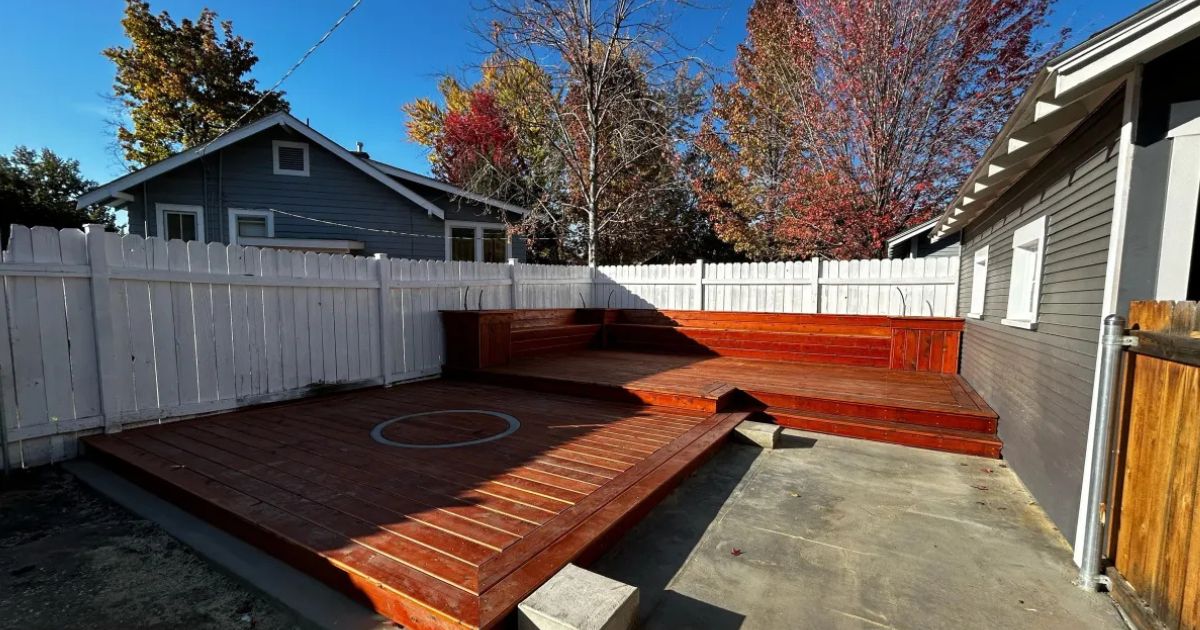
Everything You Need To Know About Trex Decking Installation
A well-designed deck does more than add square footage to your home. It changes the way you use your backyard.
For Boise homeowners, that matters. Our outdoor seasons are full of contrasts: bright summer sun, foothills wind, cool evenings, spring rain, winter snow, and long stretches of dry heat that can be hard on traditional wood decking. That is why many homeowners in the Treasure Valley are looking for deck materials that look beautiful, hold up well, and do not require a long list of yearly maintenance tasks.
Trex decking has become one of the most popular choices for homeowners who want the warmth of a wood-look deck with the durability and low-maintenance benefits of composite materials. But a great Trex deck is not just about choosing the right board color. The real difference is in the design, framing, fasteners, layout, drainage, shade planning, and installation details that determine how your deck performs years after it is built.
At Decked Out, we design and build outdoor spaces for Boise-area homes with the same care and craftsmanship that homeowners have trusted from Renaissance Remodeling since 1997. As a deck builder in Boise focused on custom decks, awnings, porches, and complete outdoor living upgrades, we believe every detail should serve a purpose: beauty, comfort, durability, and long-term value.
This guide walks through everything you need to know about Trex decking installation so you can make smart decisions before your project begins.
What Is Trex Decking Installation?
Trex decking installation is the process of designing, framing, fastening, and finishing a deck using Trex composite decking boards instead of traditional wood deck boards. Trex boards are made to deliver a wood-inspired look with improved resistance to common deck problems like splintering, rotting, cracking, staining, and frequent refinishing.
For Boise homeowners, Trex decking is often chosen because it offers a strong balance of design flexibility and practical performance. You get a polished outdoor living surface that can complement a modern home in the North End, a family backyard in Meridian, a foothills property with expansive views, or a covered porch-style deck in Eagle.
A complete Trex decking installation usually includes:
Deck Design and Layout Planning
Before any boards are installed, the deck needs a clear design. This includes the size, shape, elevation, stair placement, railing style, shade needs, furniture zones, traffic flow, and how the deck connects to the home.
A strong design considers how you actually live outside. Do you want a grilling area close to the kitchen? A shaded dining space? A built-in bench? A quiet coffee spot? A wide stairway to the lawn? A space that connects to an awning, pergola, or porch roof?
Trex works well for many design styles because it comes in a range of colors and finishes. The board color can feel warm and natural, clean and contemporary, or rich and dramatic depending on the home’s exterior.
Structural Framing
The framing underneath the deck is one of the most important parts of the entire project. Trex boards are only as good as the structure supporting them.
Composite decking requires proper joist spacing, solid blocking, square framing, clean drainage planning, and correct fastening. In Boise, framing also needs to be designed with local conditions in mind, including snow loads, seasonal expansion and contraction, soil conditions, elevation changes, and long-term moisture exposure.
This is where a professional deck builder in Boise makes a noticeable difference. A beautiful surface will not make up for weak framing, poor drainage, or rushed structural work.
Board Installation
Trex deck boards are installed using approved fasteners, proper spacing, and clean layout techniques. Many Trex decks use hidden fasteners, which create a smoother surface without rows of visible screws across the field of the deck.
The installer must account for board movement, temperature changes, consistent gaps, clean cut edges, picture-frame borders, stair details, and transitions around posts or railings.
Railing, Stairs, Lighting, and Finishing Details
A Trex deck installation often includes more than the deck boards themselves. Homeowners may also add railings, stairs, fascia, skirting, lighting, privacy elements, gates, built-in seating, or patio shade solutions.
These finishing details give the deck its final character. They also affect safety, comfort, code compliance, and the overall outdoor living experience.
Why Boise Homeowners Choose Trex Decking
Trex decking is popular in Boise because it fits the way Treasure Valley homeowners want to live outside. It offers a refined look without the maintenance cycle of sanding, staining, and sealing that comes with many wood decks.
Trex Is Low Maintenance
Traditional wood decks can be beautiful, but they require ongoing care. Sun, snow, irrigation overspray, foot traffic, and freeze-thaw cycles can all wear down a wood deck over time. Homeowners often need to clean, sand, stain, seal, and repair boards to keep the deck looking its best.
Trex decking does not need seasonal painting, staining, or sealing. Routine cleaning is usually enough to keep it looking fresh. That is especially appealing for busy homeowners who want to enjoy their deck rather than spend every spring preparing it for summer.
Trex Holds Up Well in Boise’s Sun
Boise gets plenty of intense summer sunlight. UV exposure can fade, dry, and age exterior materials faster than homeowners expect. Trex decking is designed to resist fading and staining better than many traditional wood options, making it a strong fit for decks that receive direct afternoon sun.
That said, color selection still matters. Darker boards can feel warmer underfoot in sunny areas. Lighter and mid-tone boards may be a better choice for exposed decks, pool-adjacent areas, or homes where kids and pets will be using the deck barefoot in summer.
Trex Works With Many Outdoor Living Styles
Trex decking is flexible from a design standpoint. It can be used for a simple backyard platform deck, a multi-level entertaining space, a covered porch, a wraparound outdoor living area, or a deck that connects to an awning or patio shade structure.
For custom decks in Boise, Trex is especially useful because it gives homeowners a wide range of design choices without the upkeep demands of natural wood.
Trex Can Improve Long-Term Value
A well-built composite deck can add practical value to a home because it expands usable living space and improves the backyard experience. When paired with thoughtful design, quality framing, and good shade planning, a Trex deck can become one of the most-used areas of the home.
For many homeowners, the value is not just resale. It is everyday use: dinners outside, evening conversations, weekend hosting, morning coffee, and a backyard that feels finished instead of underused.
Trex Decking Options: Choosing the Right Look and Performance Level
One of the most important decisions in Trex decking installation is choosing the right product line, color, and board profile. This choice affects the look, feel, cost, and long-term performance of the deck.
Trex Product Lines
Trex offers several decking lines, and each one has its own balance of price, appearance, durability, and warranty coverage. Some options are designed as a smart upgrade from pressure-treated wood, while others offer richer textures, deeper color variation, and higher-end aesthetics.
For Boise homeowners, the right choice often depends on:
How much direct sun the deck receives
The home’s exterior color palette
The desired design style
Budget expectations
Foot traffic
Entertaining needs
Long-term maintenance goals
Railing and trim preferences
A professional deck designer can help compare samples against your siding, stone, trim, roof, landscaping, and outdoor furniture plans. This step is worth taking seriously because deck color can look different in full sun, shade, and evening light.
Board Color and Heat
In Boise’s summer heat, board color deserves careful thought. Dark brown, charcoal, and deep gray boards can look stunning, especially against modern exteriors, but they may feel hotter in direct sun. Lighter browns, soft grays, and mid-tone colors can be more comfortable for high-sun areas.
If your deck faces west or southwest, shade planning becomes even more important. Awnings, pergolas, porch covers, and other patio shade solutions can make the space more usable during the hottest part of the day.
Straight Layouts, Diagonal Layouts, and Picture Framing
Trex can be installed in several layout styles. A standard straight board layout is clean, efficient, and timeless. A diagonal layout can add visual movement, but it often requires tighter framing and more detailed installation.
Picture framing is another popular design choice. This means the deck has a border board around the perimeter, creating a more finished, intentional look. It can also help define stairs, edges, and transitions.
For premium custom decks in Boise, picture framing is often worth considering because it makes the deck feel less like a platform and more like an outdoor room.
Fascia, Skirting, and Trim
The edges of the deck matter. Fascia and skirting help conceal framing and create a clean finished profile. This is especially important for elevated decks, front-facing porches, or decks visible from the yard.
A carefully detailed fascia plan can make a Trex deck feel integrated with the home instead of added on as an afterthought.
What Happens Before Trex Decking Installation Begins?
A smooth Trex decking installation starts long before the first board is fastened. The planning phase helps prevent budget surprises, layout mistakes, permit delays, and design decisions that feel rushed later.
Site Evaluation
The first step is evaluating the existing space. This includes looking at the home’s structure, current deck condition if one exists, yard slope, drainage, sun exposure, access points, utilities, landscaping, and surrounding views.
For Boise and Treasure Valley homes, the site evaluation may also consider:
Wind exposure near open fields or foothill areas
Snow accumulation patterns
Afternoon sun intensity
Irrigation overspray
Soil movement
Existing concrete patios
Grade changes
Neighbor privacy
HOA restrictions
A deck should feel natural to the property. The best designs work with the site instead of fighting it.
Existing Deck Inspection
If you are replacing an old wood deck with Trex, the existing framing must be inspected carefully. Some homeowners hope to reuse the old structure and only replace the surface boards. That can sometimes be possible, but only if the framing is still structurally sound, properly spaced, level, code-compliant, and appropriate for composite decking.
Common issues found in older decks include:
Joists spaced too far apart
Soft or rotted framing
Poor ledger attachment
Inadequate flashing
Uneven joists
Weak stairs
Missing blocking
Outdated railing height or spacing
Drainage problems
Fastener corrosion
Installing new Trex boards over a compromised frame is not a good investment. The deck may look new on the surface, but the problems underneath can shorten its lifespan and create safety concerns.
Budget Planning
Trex deck installation costs vary based on size, elevation, framing needs, railing selection, stairs, demolition, site conditions, lighting, shade features, and design complexity.
For Boise-area homeowners, a basic composite deck replacement may cost less than a fully redesigned multi-level deck with railings, lighting, stairs, an awning, and integrated outdoor living features.
Cost factors often include:
Deck size and square footage
New framing versus resurfacing
Trex product line
Hidden fasteners
Picture-frame borders
Stair quantity and width
Railing material
Fascia and skirting
Permits and engineering if needed
Demolition and disposal
Site access
Shade structures or porch covers
Built-in lighting
Outdoor kitchen or grill zone planning
A good estimate should explain what is included, what could change the cost, and where homeowners have choices.
READ: How Much Does It Cost to Build a Deck?
Permit and HOA Review
Deck permits depend on the project scope, height, size, location, and local jurisdiction. Boise, Meridian, Eagle, Nampa, Garden City, and surrounding areas may have different requirements. If you live in an HOA community, design approval may also be required before construction begins.
Permit and HOA considerations may include:
Deck height above grade
Setbacks from property lines
Railing requirements
Stair requirements
Structural plans
Footing requirements
Lot coverage
Easements
Exterior material guidelines
Color restrictions
Privacy screen limitations
Shade structure rules
This is one reason it helps to work with an experienced porch builder and deck builder in Boise. The planning process should account for approvals before materials are ordered and construction is scheduled.
How Trex Decking Is Installed
Trex decking installation is detailed work. The goal is not just to secure boards to a frame. The goal is to create a surface that looks beautiful, drains properly, feels solid underfoot, and performs through Boise’s changing seasons.
Step One: Demolition or Site Preparation
If there is an existing deck, the old boards, railings, stairs, and damaged framing may need to be removed. If the deck is being built from scratch, the site is prepared for footings, posts, beams, and framing.
Clean site preparation helps set the tone for the entire project. It also gives the builder a chance to identify hidden issues, such as poor flashing, water damage, or structural concerns near the home.
Step Two: Footings and Structural Support
The deck’s foundation must be appropriate for the size, height, and load of the structure. Footings need to be placed correctly and built to support the deck through seasonal conditions.
In Boise, this matters because decks may experience snow loads, soil movement, and freeze-thaw conditions. A deck that is underbuilt at the footing stage can develop movement, sagging, or uneven surfaces later.
Step Three: Framing
Framing creates the structure that supports the Trex boards. Joist spacing is especially important with composite decking. For many standard Trex applications, joists are spaced no more than 16 inches on center. For diagonal board layouts, tighter spacing is typically required.
Good framing also includes:
Proper ledger attachment
Correct beam sizing
Solid blocking
Square corners
Level joists
Adequate ventilation
Strong stair framing
Proper flashing
Drainage planning
Secure post connections
This is where craftsmanship becomes invisible but essential. You may not see the framing once the deck is finished, but you will feel it every time you walk across the surface.
Step Four: Layout and Board Planning
Before fastening begins, the installer plans the board layout. This includes board direction, seam placement, border details, stair nosing, railing post locations, and any special design features.
A rushed layout can lead to awkward seams, narrow cut pieces, inconsistent edges, or distracting patterns. A well-planned layout creates a clean, balanced finished deck.
Step Five: Fastening the Trex Boards
Trex decking should be installed with approved fasteners and proper spacing. Hidden fasteners are commonly used because they create a clean, uninterrupted surface. Edge screws, plugs, and special fastening systems may be used for borders, stairs, and detailed areas.
Fastening must allow for normal expansion and contraction. Proper gapping is important because composite boards move slightly with temperature changes.
Step Six: Fascia, Stairs, Railings, and Details
After the main deck boards are installed, the finishing work begins. This may include fascia boards, stair treads, stair risers, railings, post sleeves, lighting, privacy screens, or skirting.
These details are what make the deck feel complete. They also affect safety, maintenance, and the overall design style.
Step Seven: Final Walkthrough
A professional Trex decking installation should end with a detailed walkthrough. Homeowners should understand how to care for the deck, how to clean it, what to expect from the material, and how to protect the surface from avoidable damage.
The finished deck should feel sturdy, intentional, and ready to use.
Trex Decking Installation Timeline
The timeline for a Trex deck depends on the size and complexity of the project. A simple resurfacing project may move faster than a full custom deck build with new framing, stairs, railings, lighting, and an awning.
A typical process may include:
Design and Estimate
This stage includes the site visit, design discussion, measurements, material selection, and proposal. For a more involved outdoor living Boise project, this may also include shade planning, furniture layout, railing options, and porch or awning integration.
Permits and HOA Approval
Permit and HOA timelines vary. Some projects may move quickly, while others require additional documentation, revisions, or waiting periods. Planning ahead is especially helpful before Boise’s busy spring and summer building season.
Material Ordering
Trex boards, railing systems, fasteners, fascia, and lighting components may need to be ordered before construction begins. Product availability can affect timing, especially for specific colors or premium lines.
Construction
The construction timeline depends on project scope. A straightforward deck replacement may take less time than a custom multi-level deck with stairs, lighting, railings, and a shade structure.
Weather can also affect scheduling. Wind, snow, heavy rain, and extreme heat may influence workdays, especially during certain times of year.
READ: How Long Does It Take to Build a Deck?
What Impacts the Cost of a Trex Deck?
Trex decking installation is an investment, and the final cost depends on more than the decking boards. A well-built deck includes design, structure, safety, code compliance, craftsmanship, and finish details.
Deck Size
Square footage is one of the biggest cost drivers. Larger decks require more framing, more boards, more fasteners, more labor, and often more railing.
However, size should be planned carefully. Bigger is not always better. A smart layout can make a moderately sized deck feel generous by creating clear zones for dining, grilling, and relaxing.
New Build vs. Resurfacing
Replacing only the deck boards may cost less than building a new structure, but resurfacing only makes sense if the existing frame is in excellent condition. If framing repairs are needed, the project cost can increase.
In many cases, rebuilding the structure gives homeowners a better long-term result, especially if the old deck was poorly designed, too small, unstable, or no longer code-compliant.
Elevation and Stairs
Elevated decks require more structural support, railings, stairs, landings, and safety details. Stairs can add significant cost depending on width, height, layout, and railing needs.
Railing Selection
Railings have a major effect on both price and appearance. Options may include composite railing, aluminum railing, cable railing, glass panels, or mixed-material systems.
For homes with foothills views or open backyard views, railing choice is especially important. A bulky railing can interrupt the view, while a cleaner railing system can preserve the connection to the landscape.
Board Pattern and Design Details
Picture framing, diagonal boards, breaker boards, multi-color layouts, and complex patterns add labor and material cost. These details can be worth it for homeowners who want a more tailored design, but they should be planned intentionally.
Shade and Outdoor Living Add-Ons
A deck is often the foundation for a larger outdoor living plan. Many Boise homeowners also consider:
Awnings
Pergolas
Covered porches
Patio shade solutions
Outdoor lighting
Privacy screens
Built-in seating
Grill zones
Outdoor kitchens
Under-deck drainage
Fire feature areas
Paver or concrete patio connections
Adding these features can increase the project investment, but it can also make the space much more usable throughout the year.
Trex Decking and Boise Weather: What to Consider
Boise’s climate is one of the biggest reasons homeowners choose composite decking. But even high-performing materials need smart design.
Sun Exposure
South- and west-facing decks can receive intense sun in the afternoon. This affects board temperature, comfort, furniture placement, and shade needs.
A good design may include an awning, pergola, porch roof, or strategically placed privacy wall to make the deck comfortable during peak summer heat.
Snow and Ice
Decks in Boise must be designed to handle winter conditions. Snow load, drainage, and safe stair design all matter.
Composite decking is low maintenance, but homeowners should still use care when removing snow. Metal shovels or sharp tools can damage the surface. A plastic shovel and gentle approach are usually better.
Wind
Some Treasure Valley homes experience strong wind, especially in open neighborhoods, rural edges, and foothill areas. Wind can affect shade structures, privacy screens, railing choices, and furniture placement.
Awnings and patio shade solutions should be chosen with local exposure in mind, not just appearance.
Irrigation and Moisture
Sprinklers that constantly hit the deck can leave mineral deposits and contribute to staining around edges or railings. Drainage and irrigation patterns should be reviewed during the planning stage.
Seasonal Use
A great Boise deck should not be designed for only one month of the year. With the right layout, shade, lighting, and cover, a deck can be comfortable from spring through fall and still useful during mild winter days.
Trex Decking Design Ideas for Boise Outdoor Living
Trex decking can support many different backyard styles. The best design depends on the home, the yard, and how the family wants to use the space.
The Entertaining Deck
For homeowners who love hosting, the deck should have clear zones for dining, grilling, lounging, and movement. Wide stairs, integrated lighting, and a generous landing can help the space feel open and welcoming.
A picture-frame border can give the deck a polished look, while a built-in awning or pergola can keep guests comfortable during summer evenings.
The Covered Porch Deck
A covered porch-style deck works well for homeowners who want shade, weather protection, and a more architectural connection to the home. This style can feel especially refined when the decking, ceiling finish, posts, railings, and lighting are designed together.
As a porch builder in Boise, Decked Out often looks at how the covered area will transition from indoors to outdoors. The goal is to make the porch feel like part of the home, not an attachment.
The View-Focused Deck
For foothills homes or properties with open views, the railing and layout should preserve sightlines. Clean railing systems, thoughtful stair placement, and low-profile furniture zones can help keep the view central.
Trex decking in a warm neutral or natural tone can complement the landscape without competing with it.
The Family-Friendly Backyard Deck
For families, durability and comfort matter. A good design may include wide steps, safe railings, room for outdoor dining, a shaded play area, and easy access to the lawn.
Trex is a practical choice for family spaces because it resists splintering and does not require the same yearly maintenance as wood.
The Low-Maintenance Retreat
Some homeowners want a quiet, refined outdoor space that is easy to care for. A simple Trex deck with comfortable seating, soft lighting, a shade feature, and clean landscaping can create a calm backyard retreat without becoming a maintenance burden.
Trex Decking Maintenance: What Homeowners Should Expect
Trex decking is low maintenance, not no maintenance. The good news is that care is simple compared to traditional wood.
Routine Cleaning
Most Trex decks can be cleaned with soap, water, and a soft-bristle brush. Regular sweeping helps prevent dirt, leaves, and debris from sitting on the surface.
Homeowners should pay extra attention to areas near planters, grills, furniture feet, and irrigation spray.
Preventing Stains and Marks
Trex resists staining, but spills should still be cleaned promptly. Grease from grills, wine, food, sunscreen, and outdoor furniture residue can leave marks if ignored.
Use grill mats carefully and choose outdoor rugs that are compatible with composite decking. Some rubber-backed mats can trap moisture or cause discoloration.
Snow Removal
Use a plastic shovel instead of a metal one. Avoid chopping at ice with sharp tools. Follow manufacturer guidance for ice melt products, especially around railings, fasteners, and nearby landscaping.
Annual Checkups
Even though Trex boards do not need staining, the deck should still be inspected periodically. Check railings, stairs, fasteners, lighting, drainage, and the area where the deck connects to the house.
A well-built deck should feel solid year after year.
Trex vs. Wood Decking
Many Boise homeowners compare Trex to traditional wood before deciding. Both can be good choices, but they serve different priorities.
Wood Decking
Wood offers natural character and can be a lower upfront material cost. However, it requires more maintenance and can be vulnerable to splintering, cracking, warping, rot, and fading.
Wood may be a fit for homeowners who love natural materials and are comfortable with regular upkeep.
Trex Decking
Trex costs more upfront than many pressure-treated wood options, but it reduces long-term maintenance. It does not need staining or sealing, and it offers a clean, consistent look.
Trex is a strong fit for homeowners who want a polished outdoor space with less ongoing work.
The Real Decision
The right choice depends on your priorities. If your main goal is the lowest initial cost, wood may be tempting. If your goal is long-term value, lower maintenance, and a more finished outdoor living space, Trex is often the better fit.
Why Professional Trex Decking Installation Matters
Trex decking is a high-performing material, but it needs to be installed correctly. The difference between an average deck and a beautifully built deck often comes down to details most homeowners never see during construction.
Proper Framing Protects the Investment
Composite decking needs correct support. If joists are spaced too far apart, uneven, or poorly secured, the finished deck may feel bouncy or develop visual imperfections.
Professional framing helps the deck feel stable, level, and durable.
Correct Fasteners Create a Cleaner Finish
Approved fasteners help protect the boards and create consistent spacing. Hidden fasteners can also improve the finished appearance by reducing visible screw heads.
Drainage and Flashing Prevent Problems
The connection between the deck and the home is critical. Poor flashing can allow water to damage the house over time. Proper drainage also helps protect framing and improve the deck’s lifespan.
Design Details Require Experience
Picture-frame borders, stair transitions, fascia corners, railing posts, and lighting layouts all require careful planning. These details are what make a deck feel professionally designed rather than simply assembled.
How Decked Out Approaches Trex Decking Installation
At Decked Out, we approach each deck as part of a larger outdoor living experience. The goal is not just to install boards. The goal is to create a space that looks right, feels right, and holds up beautifully.
Design-Led Planning
We start by understanding how you want to use the space. From there, we look at the home’s architecture, yard layout, sun exposure, views, privacy needs, and long-term goals.
This helps us design a deck that feels connected to your home rather than separate from it.
Craftsmanship-First Building
Our team focuses on the details that matter: structure, layout, spacing, finish work, railings, stairs, and transitions. A deck should feel solid underfoot and intentional from every angle.
Outdoor Living Integration
Because Decked Out also builds awnings, porches, and other outdoor living upgrades, we can help homeowners think beyond the deck surface.
That may include:
A custom deck with an integrated awning
A covered porch for year-round comfort
Patio shade solutions for west-facing yards
Lighting for evening use
Railings that preserve views
Stairs that improve flow to the yard
Outdoor living upgrades that support entertaining
A Straightforward Process
A good remodeling experience should feel organized, not overwhelming. We help guide decisions in the right order so homeowners understand their options, budget, timeline, and next steps.
Questions to Ask Before Installing a Trex Deck
Before starting a Trex decking installation, it helps to think through a few important questions.
How Will You Use the Deck Most Often?
A deck for quiet morning coffee does not need the same layout as a deck for large family gatherings. Think about dining, grilling, lounging, pets, kids, views, shade, and access to the yard.
How Much Sun Does the Area Get?
Sun exposure affects board color, comfort, shade planning, furniture placement, and seasonal use.
Do You Need Railings?
Deck height and local code requirements may determine railing needs. Design preference also matters. Railings can frame the space, preserve views, or create privacy depending on the style.
Is the Existing Frame Worth Keeping?
If you are replacing an older deck, the frame must be evaluated honestly. Reusing a weak frame is rarely a smart long-term decision.
Do You Want a Larger Outdoor Living Plan?
It may be wise to plan for future upgrades now, even if they are built later. This could include an awning, porch cover, lighting, outdoor kitchen area, or expanded patio.
Is Trex Decking Worth It for Boise Homes?
For many Boise-area homeowners, Trex decking is worth it because it offers the right balance of beauty, durability, and low maintenance. It is especially appealing for homeowners who want a deck that looks refined without committing to the ongoing upkeep of wood.
Trex is not the cheapest decking option upfront, but it can be a strong long-term investment when installed correctly. The real value comes from pairing the material with thoughtful design, proper framing, skilled installation, and outdoor living features that make the space more usable.
A Trex deck can be simple and clean, bold and architectural, warm and natural, or fully integrated with a covered porch or awning. The best version is the one that fits your home, your lifestyle, and the way you want to enjoy Boise’s outdoor seasons.
Trex decking installation is about more than choosing composite boards. It is about designing an outdoor space that works with your home, your yard, and Boise’s climate.
The right deck should feel sturdy, comfortable, and carefully planned. It should handle sun, snow, wind, and daily use. It should look polished from the first board to the final railing detail. Most importantly, it should make your backyard easier to enjoy.
At Decked Out, we build custom decks, awnings, porches, and outdoor living Boise upgrades with a design-led approach and a craftsman’s attention to detail. If you are considering Trex decking installation in Boise or the Treasure Valley, the best place to start is with a clear plan, the right material choices, and a builder who understands how to bring it all together.